
Coarse Material Classification Series
Robust screening for 20–1000mm coarse materials. Wavy anti‑clogging, woven composite, rubber, flip‑flow, perforated, elastic rod, bolted & large‑hole plates. Sieving rate up to 90%+.
Coarse Material Classification Features
75–90% Sieving
Wavy & flip‑flow designs
Anti‑Clogging >90%
Trapezoidal holes + wave peaks
Impact 200–300 J/cm²
For heavy mining
Wet/Dry + Sticky
Flip‑flow handles >20% moisture
Our Product Series Coarse Screening Portfolio
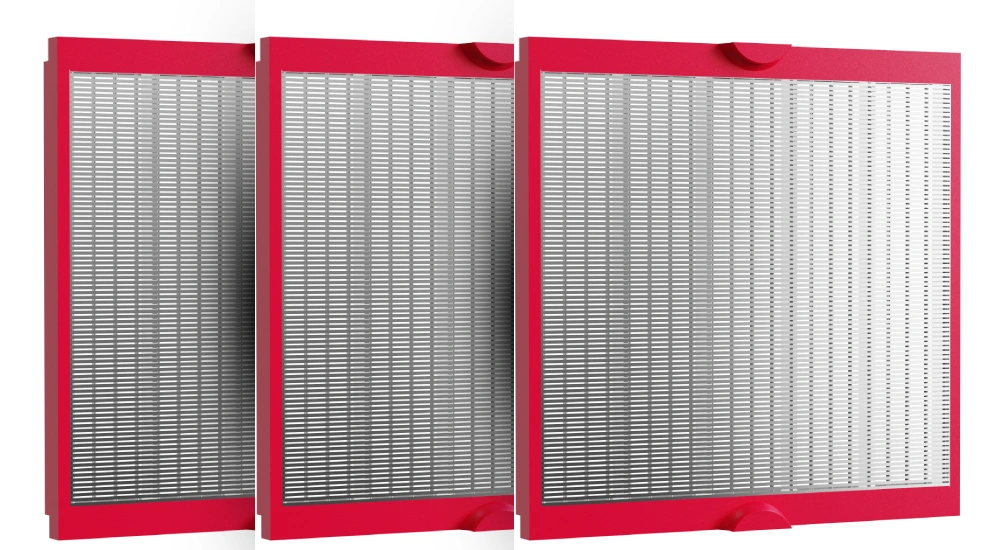
Wavy Anti‑Clogging Plate
Manganese steel with wave protrusions (5-10mm), trapezoidal holes. Sieving rate 75%-85% (15-20% higher than flat plates). Anti‑clogging >90%, impact 200J/cm². 2‑3x longer life.
- Hole size: 50–300mm
- Wave height: 5-10mm
- Impact resistance: 200J/cm²
- Ideal for granite/basalt with clay
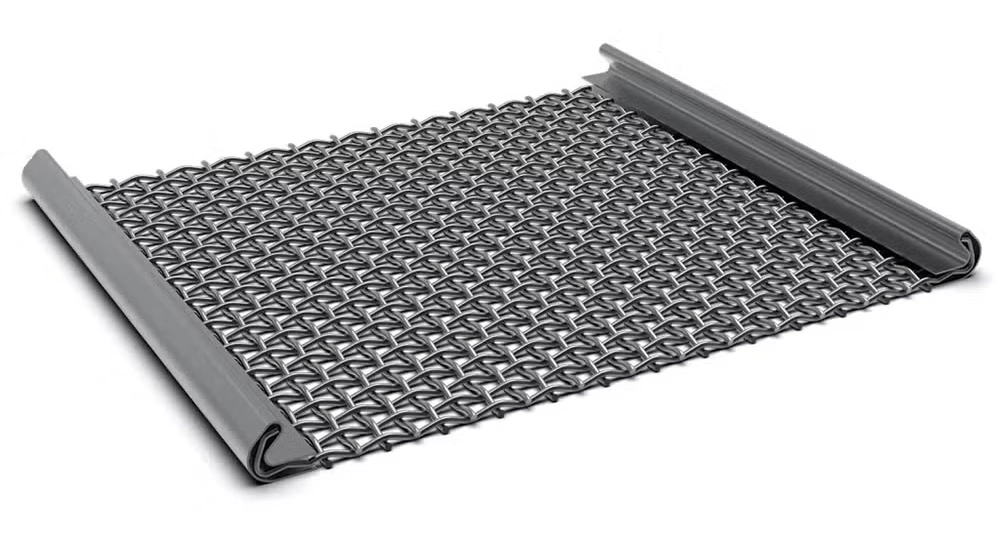
Woven Composite Screen Plate
Outer high‑carbon woven mesh + inner support + PU adhesive. Square holes 20–100mm, rounded edges. Sieving rate 90%, particle breakage ≤3%. Tensile strength ≥500MPa.
- Open area: up to 90%
- Service life in humid >80% : 1.5x longer
- Breakage rate: ≤3%
- For limestone, iron ore, raw coal
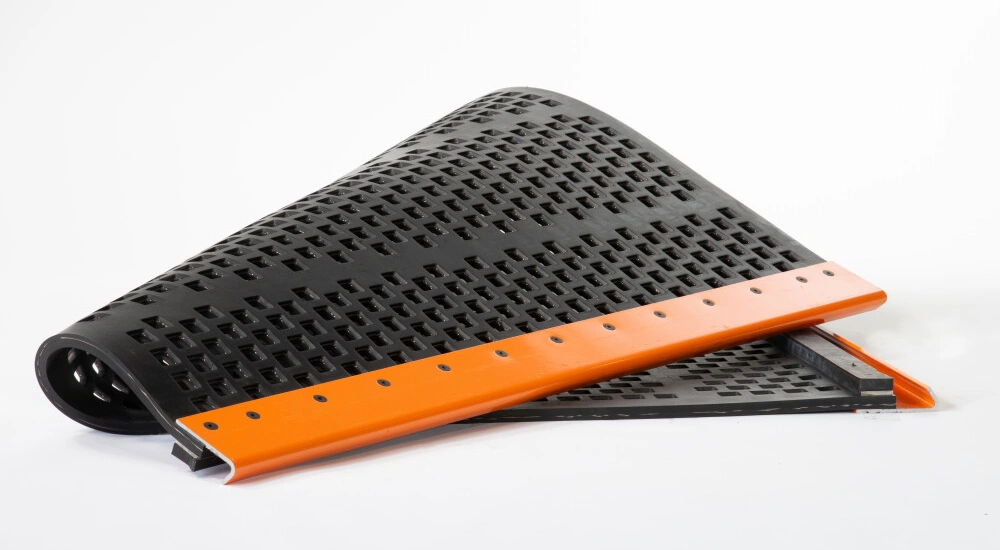
Rubber Screen Plate
Elastic modulus 1.5-2.0MPa, arc hole walls. Particle breakage ≤2%, withstands 50kg impact. pH 3‑11 environment gives 3x life of metal. Noise reduction.
- Thickness: 30–60mm
- Aperture: 10–80mm
- Breakage ≤2% (gypsum, coal)
- Operating noise ≤85dB
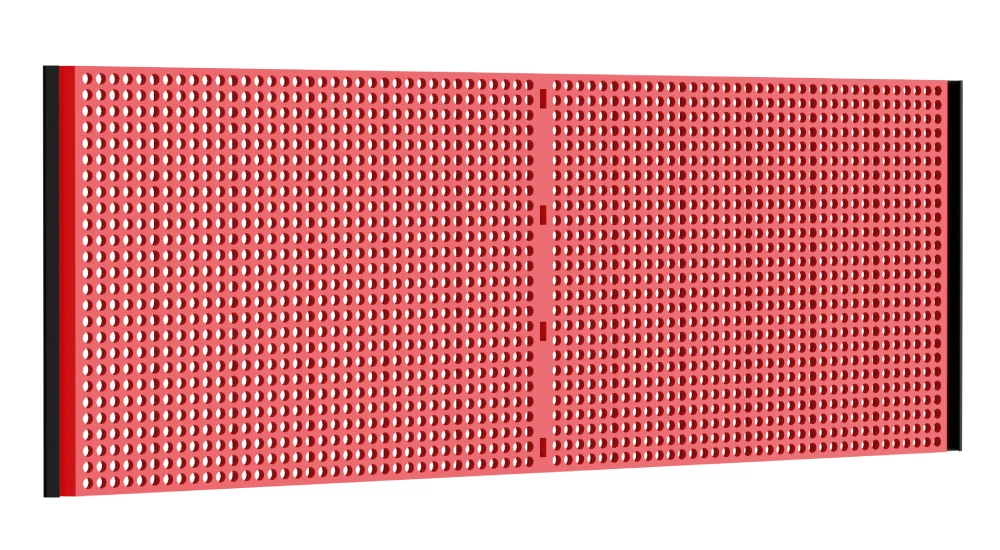
Flip‑Flow Screen Panel
PU surface + metal frame + elastic connectors. Asynchronous vibration (5-8mm amplitude, 50-60Hz). Sieving rate 85%-95% – 1.5x ordinary plates. Ideal for sticky, moisture >20% materials.
- Feed size: 30–150mm
- Sieving rate: up to 95%
- Panel replacement: 5-10 min
- Noise ≤85dB, 15‑20dB lower than metal
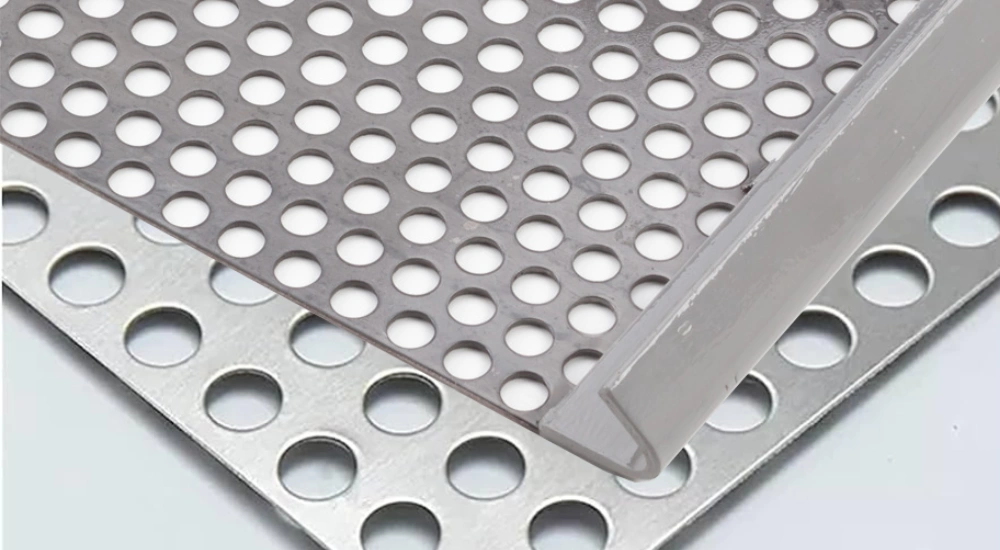
Perforated Screen Plate
CNC punched manganese steel / stainless steel. Round 50-100mm or square 100-200mm holes. For non‑sticky hard rock (granite, basalt). Stainless for high salt‑fog areas.
- Hole tolerance: ±0.5mm
- Thickness: 6-20mm
- Open area: 40%-70%
- Custom shapes available
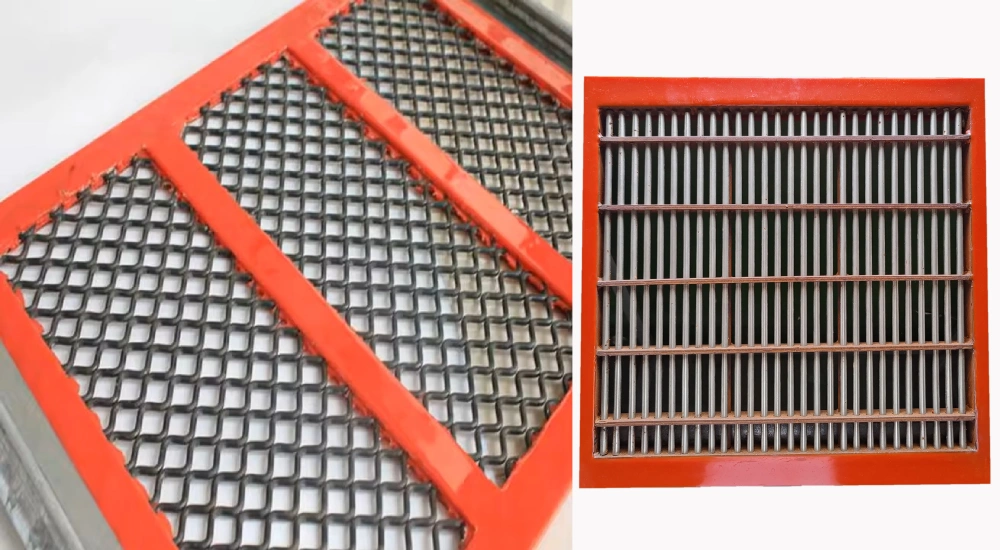
Elastic Rod Composite Plate
Parallel elastic steel rods + polyurethane support strips. Adjustable rod spacing. Sieving rate >90%, clogging ≤5%. Quenched rods give 3x wear life.
- Gap range: 5–80mm adjustable
- Anti‑static PU strips
- For copper ore, manufactured sand, phosphate
- Frame galvanized
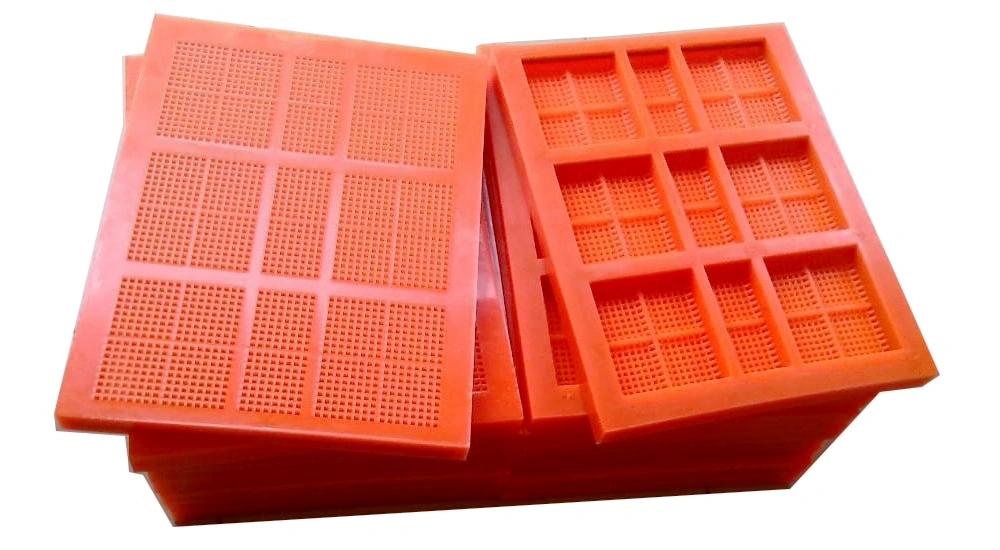
Bolted Screen Plate
High manganese steel bolted via M20-M24 bolts (spacing ≤300mm). Impact ≥300J/cm² (500kg blocks). Sieving rate >80%, error ≤5%. Heat resistant up to 150°C.
- Hole width = 1.5x material size
- Max feed: 500kg blocks
- High temp: ≤150°C
- For waste rock, slag, building waste
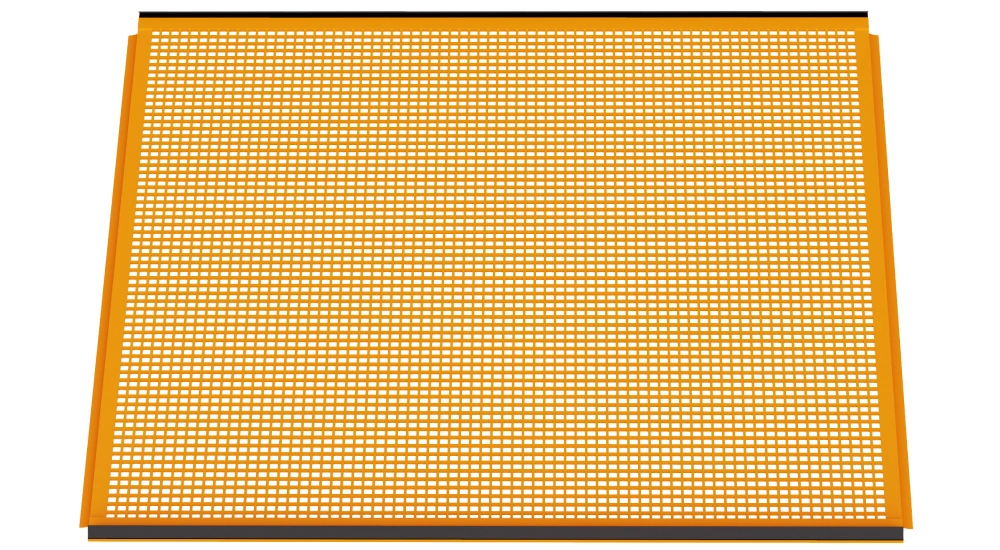
Large‑Hole Screen Plate
Wear‑resistant / stainless steel. Hole size 100–1000mm (square/bar). Single panel up to 2×3m. Sieving rate 85%, 100% anti‑clogging. Handles 1000kg blocks, capacity ≥1000 t/h.
- Panel size: up to 2000x3000mm
- Impact: 1000kg class
- Processing capacity ≥1000 t/h
- Stainless for acid/alkali
Why Choose Us
Heavy‑duty Engineering
Designed for 1000kg impact
Custom Holes & Patterns
Round, square, trapezoidal, wave
Fast Changeout
Flip‑flow panels replaced in 5–10min
Material Lab
Wear & impact tested
FAQ
Which plate is best for sticky, high‑moisture raw coal (50-150mm)?
Flip‑Flow Screen Panel with PU surface. Its tension‑relaxation movement creates rubbing force that breaks mud clumps, achieving 85–95% sieving rate even at >20% moisture.
How does the wavy anti‑clogging plate prevent blinding?
Wave peaks (5-10mm) force material to bounce, and trapezoidal holes (wide top/narrow bottom) release lodged particles. Anti‑clogging rate >90% with 75-85% sieving rate.
How does it prevent particle breakage during screening?
The outer woven mesh has “rounded-edge” square holes, and the elasticity of the mesh buffers impact. The inner steel mesh provides rigid support, keeping breakage rate ≤3% even for friable materials like limestone, while maintaining 90% sieving rate.
What moisture level can the flip-flow screen handle effectively?
It handles materials with moisture >20% (e.g., lignite, muddy iron ore). The 5-8mm amplitude, 50-60Hz asynchronous vibration creates tension-relaxation movement, generating rubbing force that breaks mud clumps, achieving 85-95% sieving rate — 1.5× ordinary plates.
Which hole shape is better for my material — round or square?
Round holes (50-100mm) suit spherical particles like pebbles; square holes (100-200mm) fit blocky materials like limestone. Both feature smooth walls to reduce resistance, and stainless steel options resist high salt-fog environments.
How does it achieve ≤5% clogging for materials with stone powder?
The parallel elastic steel rods micro-bend under vibration, shaking off stuck powder clumps. Rod spacing is adjustable for different cut sizes, and quenched rods offer 3× wear life of ordinary steel — ideal for copper ore, manufactured sand, and phosphate rock.
