
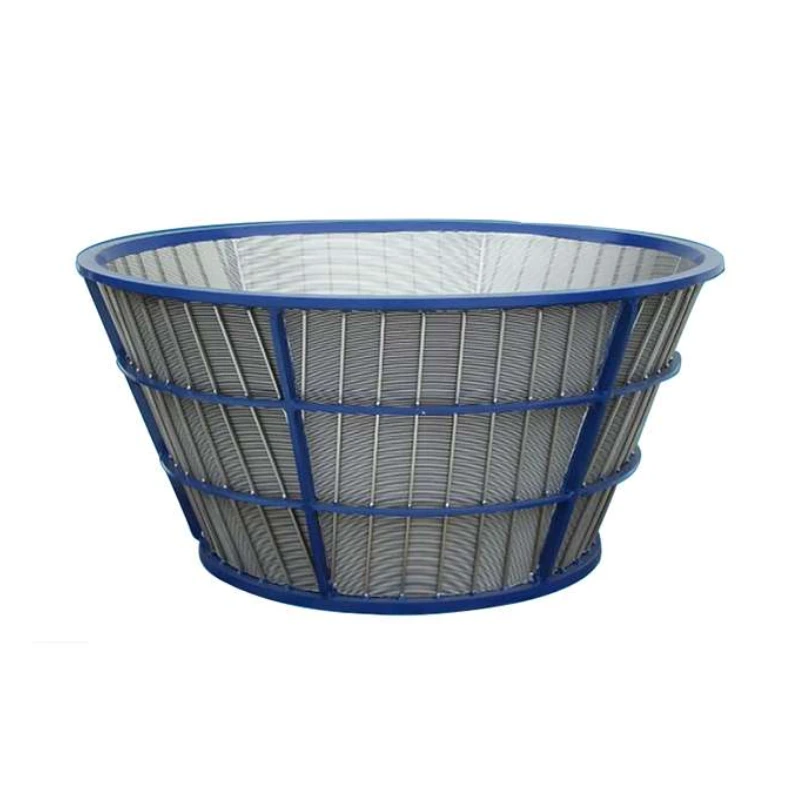
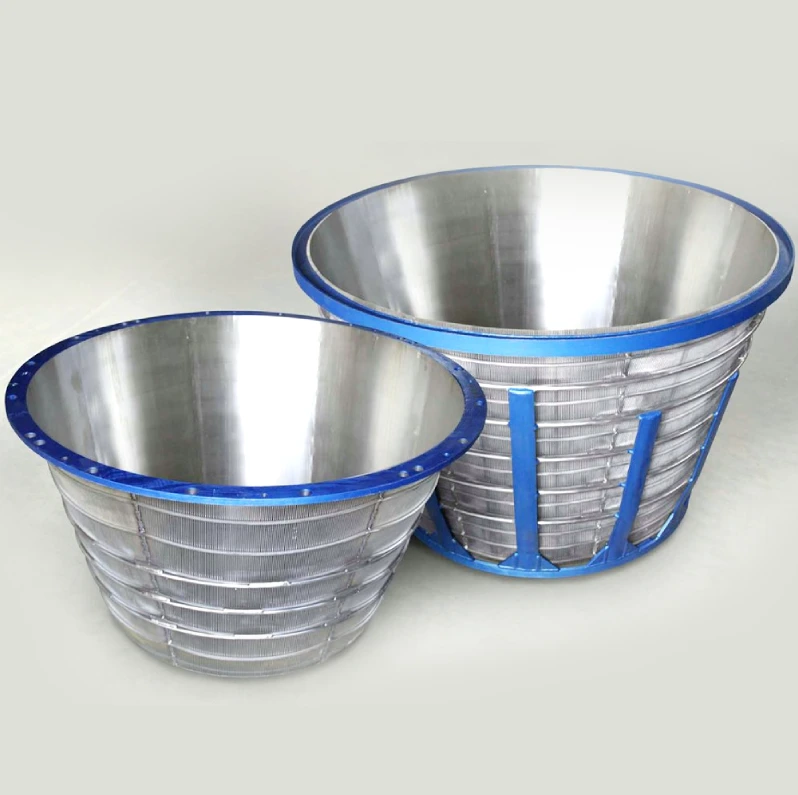
Screen Basket

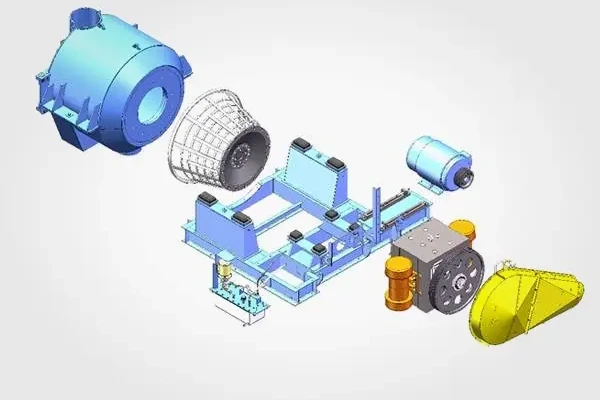
The centrifuge screen basket features a wedge wire structure with 0.1mm slot accuracy. Achieves 85-95% sieving rate for 80-200 mesh fine minerals. Wear-resistant steel offers 2-3x longer life than standard stainless steel baskets.

Product Detail

Superior Sieving Efficiency: When processing 80-200 mesh fine-grained minerals, the sieving rate reaches 85-95%. Even with materials containing up to 10% mud content, the basket maintains a sieving rate exceeding 80%. This high efficiency is attributed to the wedge wire design, which creates continuous, non-binding slots that allow fine particles to pass while preventing blinding .

Extended Service Life: Constructed from wear-resistant steel, this screen basket delivers 2-3 times longer service life than ordinary stainless steel baskets. The material’s high hardness and work-hardening properties withstand the abrasive nature of mineral slurries and coal feeds, reducing replacement frequency and maintenance downtime.

Customizable Design: The screen slot size and basket taper can be customized according to specific material characteristics and centrifuge models with different processing capacities. Common slot sizes range from 0.1mm to 1.0mm, accommodating various particle size distributions and dewatering requirements

Industry Applications

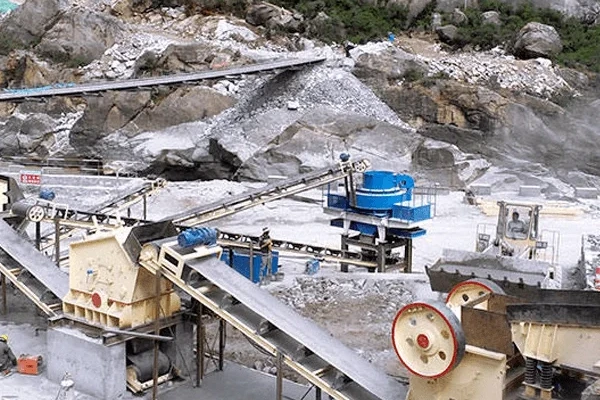
Mining Industry

Ideal for dewatering mineral slurries and processing 80-200 mesh fine-grained ores. The 85-95% sieving rate maximizes solids recovery while the wedge wire design resists clogging from high-moisture feeds
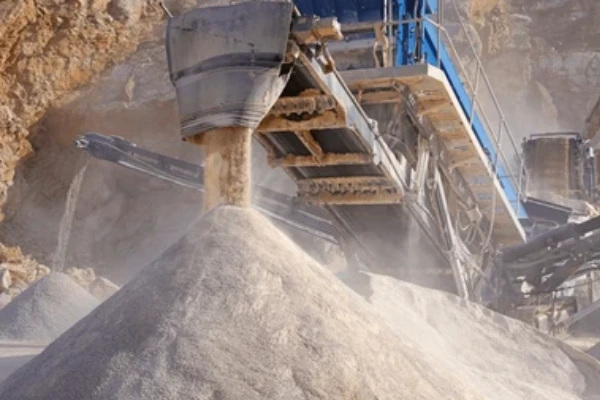
Coal Preparation Plant

Perfect for dewatering clean coal products, including flotation concentrates and spiral product. Operates effectively at centrifugal forces of approximately 350 G's, producing lower product moisture compared to vacuum filtration systems
Chemical Industry

Suitable for separating chemical crystalline materials and solid-liquid suspensions. Available in stainless steel construction for corrosion resistance in acidic or aggressive chemical environments

FAQ

What is the advantage of the wedge wire structure over traditional perforated screen baskets?

The wedge wire structure features a “narrow top, wide bottom” trapezoidal slot profile . This geometry allows fine particles to pass through the wider bottom opening while preventing particles from wedging and getting stuck. In contrast, traditional perforated baskets have straight-walled holes that trap near-size particles. The wedge design also provides a smooth, continuous screening surface that reduces friction and wear, significantly improving anti-clogging performance and extending service life.Vibration damping between the steel plate and screen box
Corrosion protection at mounting points
Simplified installation with snap-in or bolt-through attachment systems
The result is a steel screen surface with polyurethane-framed edges for easier mounting and longer frame life.

The screen basket achieves slot accuracy up to 0.1mm . Standard slot sizes typically range from 0.3mm to 1.0mm, with 0.25mm and 0.4-0.5mm being common for coal dewatering applications . For specialized fine mineral processing, slots as fine as 0.1mm can be manufactured. The slot size and basket taper can be customized according to material characteristics and specific centrifuge models.Vibration damping between the steel plate and screen box
Corrosion protection at mounting points
Simplified installation with snap-in or bolt-through attachment systems
The result is a steel screen surface with polyurethane-framed edges for easier mounting and longer frame life.

Wear-resistant steel offers 2-3 times longer service life than ordinary stainless steel baskets in abrasive applications such as coal and mineral processing. The higher hardness and work-hardening properties of wear-resistant steel allow it to withstand the continuous impact of solid particles. However, stainless steel remains the preferred choice for chemical or corrosive environments where acid or alkali resistance is required. For most coal and mineral dewatering applications, wear-resistant steel provides the best value.

Research indicates that centrifugal forces of approximately 350 G’s are required for effective dewatering of fine coal and mineral slurries. Operating above this G-force provides no significant benefit in moisture reduction while increasing mechanical stress and wear. At 350 G’s and feed solids content of 35% or greater, centrifuges can achieve lower product moisture compared to vacuum drum filters with capacities of approximately 20 m³/hour .

Sieving performance depends on several factors. Feed solids content: Higher solids content (≥35%) produces lower product moisture. Particle size distribution: The basket efficiently captures particles down to 0.1mm, but ultra-fine particles (<0.03-0.04mm) may report to the centrate . Mud content: Even with materials containing less than 10% mud content, the basket maintains sieving rates above 80%. For higher clay or mud content, reduced throughput or larger slot sizes may be recommended.

Regular inspection of the wedge wire surface for wear or damage is essential. The gap between the screen basket and scroll conveyor (for scroll-type centrifuges) should be monitored, as increased clearance reduces dewatering efficiency . Cleaning intervals depend on feed characteristics; sticky or high-clay materials require more frequent cleaning. The wear-resistant steel construction extends replacement intervals, but typical basket life in coal preparation applications ranges from 3-6 months depending on feed abrasiveness and operating conditions.

Send a Message