

Pu Gaske
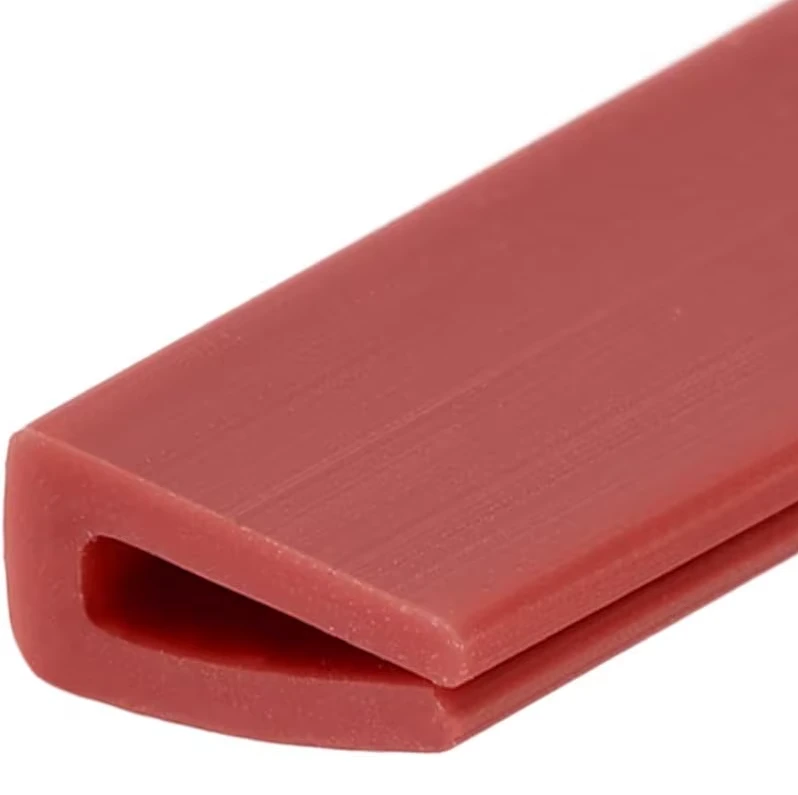
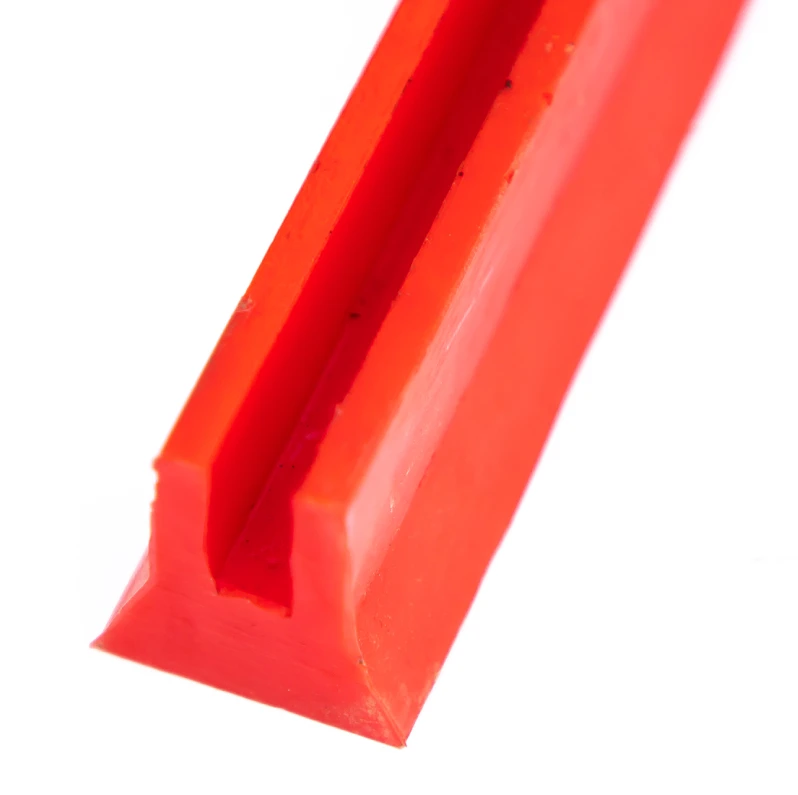
The PU gasket is compression-molded from imported polyurethane, available in 0.2-20mm thickness with custom round/square shapes. Achieves ≤5% permanent compression set and 99.8% sealing efficiency. Stable for 3+ years in pH 1-13 environments. Operates from -30°C to 120°C.
Product Detail
Superior Compression Set Resistance: The polyurethane material achieves a permanent compression set rate of ≤5%, meaning the gasket retains excellent elasticity even after long-term sealing under pressure. This low compression set delivers a sealing and leak-proof effectiveness of up to 99.8%, significantly outperforming rubber and silicone alternatives that lose elasticity over time.
Exceptional Chemical Resistance: The PU gasket offers excellent acid and alkali corrosion resistance, remaining stable for more than 3 years in environments with pH 1-13. This far exceeds the 1-year service life of ordinary rubber gaskets in aggressive chemical conditions. Application scenarios include sealing of vibrating screen frames and machine bodies, gap filling between flotation machine stators and casings, and leak-proof sealing of centrifuge feed ports.
Wide Temperature Range: The material exhibits no brittle cracking at low temperatures (-30°C) and no softening or deformation at high temperatures (120°C), adapting to both alpine and high-temperature operating scenarios without performance degradation.
Industry Applications

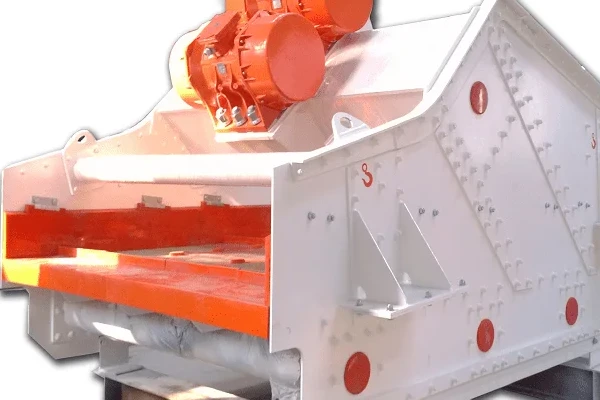
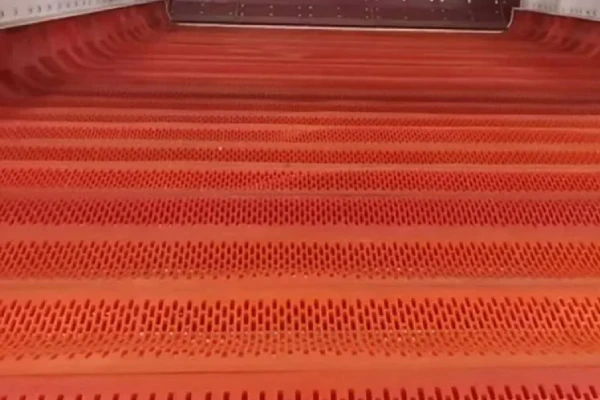
Vibrating Screen Frame & Body Sealing
Ideal for sealing between screen frames and machine bodies. The ≤5% compression set maintains 99.8% sealing efficiency over 3+ years, preventing dust leakage and reducing material loss.
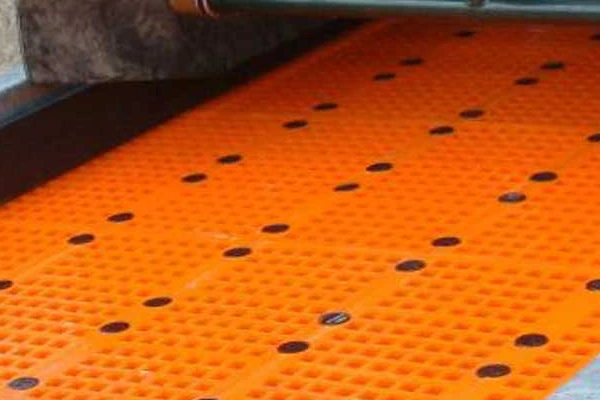
Flotation Machine Stator-to-Casing Gap Filling
Perfect for filling gaps between flotation machine stators and casings. Withstands pH 1-13 acidic/alkaline pulps for 3+ years while maintaining elasticity under continuous vibration.
Centrifuge Feed Port Leak-Proof Sealing
Suitable for leak-proof sealing at centrifuge feed ports. Operates reliably from -30°C to 120°C, adapting to both freezing alpine environments and high-temperature processing.

FAQ
What does "permanent compression set ≤5%" mean for sealing performance?
Permanent compression set measures how much a gasket fails to return to its original thickness after being compressed. A 5% set means the gasket retains 95% of its original thickness after compression is released.
Why this matters:
Rubber gaskets typically have 15-30% compression set, losing sealing force over time
PU gaskets with ≤5% set maintain consistent sealing pressure for 3+ years
Lower compression set = longer-lasting seal without re-tightening
For flotation machine stators where gap sealing directly affects pulp circulation, the 99.8% sealing efficiency delivered by low compression set prevents short-circuiting and maintains flotation performance.
How does PU compare to rubber for chemical resistance?
| Property | PU Gasket | Rubber (NBR/EPDM) |
|---|---|---|
| pH Range Tolerance | 1-13 | 5-9 (NBR), 4-12 (EPDM) |
| Service Life in pH 1-13 | 3+ years | 6-12 months |
| Acid Resistance | Excellent | Moderate |
| Alkali Resistance | Excellent | Good (EPDM) |
| Oil Resistance | Good | Excellent (NBR) |
What thicknesses are available and how do I choose?
Standard thickness range: 0.2mm to 20mm.
| Thickness Range | Best Application | Typical Use |
|---|---|---|
| 0.2-1.0mm | Precision gap sealing | Flotation machine stator gaps |
| 1.0-5.0mm | General sealing | Vibrating screen frame seals |
| 5.0-20mm | Large gap filling, shock absorption | Centrifuge feed port seals |
Can this gasket handle both -30°C and 120°C extremes?
Yes. The PU formulation is specifically engineered for wide-temperature performance:
At -30°C:
Remains flexible without brittle cracking
Maintains sealing pressure (no hardening-induced leakage)
Suitable for alpine mines and cold-region operations
At 120°C:
No softening or permanent deformation
Retains compression set resistance
Suitable for high-temperature processes (dried materials, friction heat)
Unlike rubber that hardens in cold (cracking) and softens in heat (extrusion), PU maintains consistent performance across this 150°C operating window.
What does "compression molding process" mean for quality?
Compression molding is a manufacturing process where polyurethane material is placed into a heated mold cavity, then compressed to fill the cavity completely. This process provides:
Dimensional accuracy: Consistent thickness across the entire gasket
No voids or bubbles: Complete fill prevents leak paths
Smooth surface finish: No burrs that could scratch sealing surfaces
Low residual stress: Less distortion during installation compared to injection-molded parts
For critical sealing applications in vibrating screens and flotation machines, compression molding produces superior, defect-free gaskets compared to die-cut or extruded alternatives.