

Flotation Machine Rotor
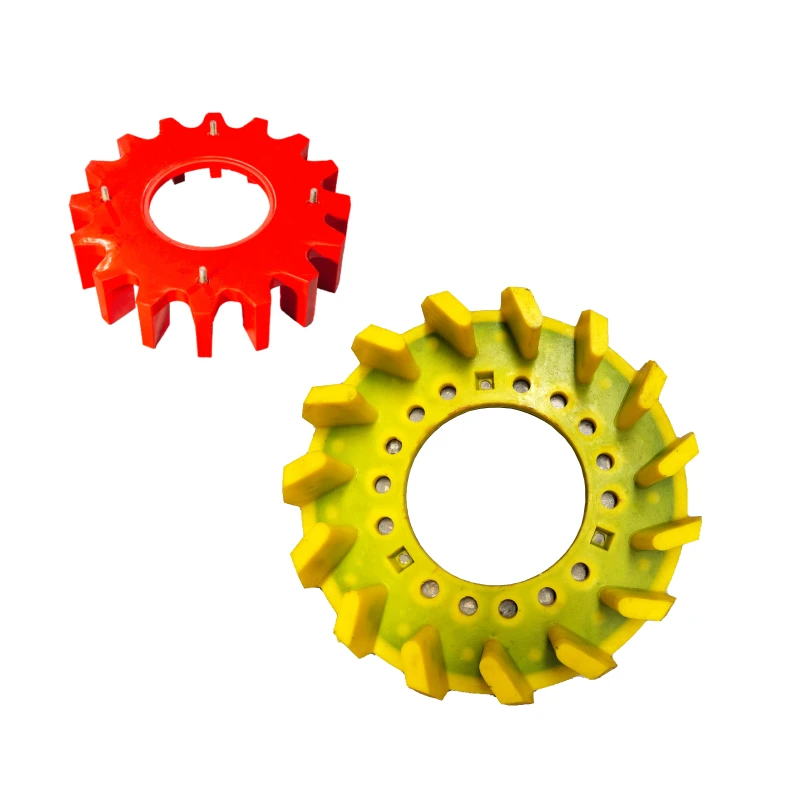
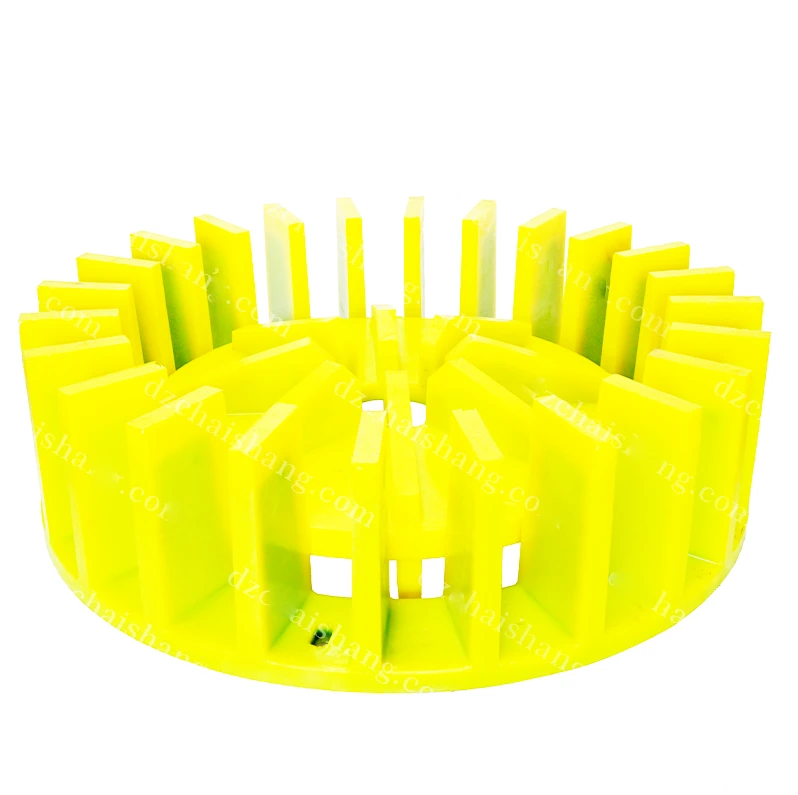
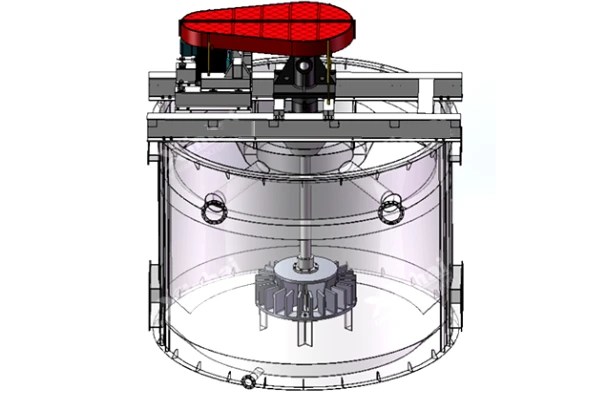
The flotation machine rotor features alloy casting with anti-rust coating and multi-blade radial design (30°-45° adjustable blade angle). Achieves 0.2-0.5m³/(m²·min) aeration rate with ≤5% stirring uniformity error. High-chromium alloy delivers 8,000-12,000 hours service life.
Product Detail
Superior Aeration Efficiency: A high-quality rotor achieves an aeration rate of 0.2-0.5m³/(m²·min), ensuring adequate bubble generation for effective mineral recovery. The stirring uniformity error is ≤5%, providing consistent pulp mixing and preventing short-circuiting that would reduce flotation selectivity.
Extended Service Life: Constructed from high-chromium wear-resistant alloy, this rotor delivers 8,000-12,000 hours of service life in abrasive flotation environments. Industrial applications confirm that high-chromium provides 3-5 times longer life than ordinary alloy cast steel . The anti-rust coating provides additional protection against chemical corrosion in acidic or alkaline pulp conditions.
Energy Efficiency: The optimized blade design reduces pulp short-circuiting, enhances contact efficiency between reagents and ore particles, and reduces energy consumption by 10-15% compared to traditional rotor designs.
Industry Applications

Metallic Ore Flotation
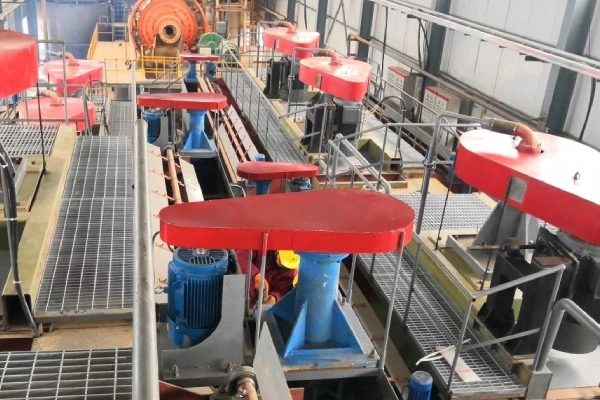
Ideal for copper, iron, and lead-zinc ore processing. The 8,000-12,000 hour service life minimizes downtime in continuous operation. Adjustable blade angle (30°-45°) optimizes bubble-particle contact for different ore types.
Non-Metallic Ore Flotation
Perfect for fluorite and graphite flotation where gentle agitation is required. The ≤5% stirring uniformity error ensures consistent reagent distribution and grade control.
Large-Capacity Flotation Circuits
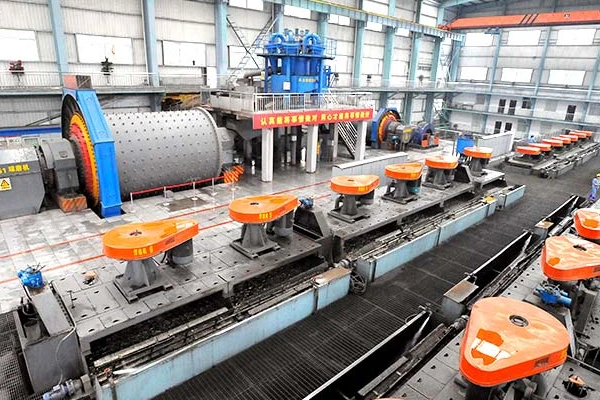
Designed for single cell volumes ≥10m³ in high-throughput concentrators. The high-chromium alloy withstands the abrasive conditions of coarse, dense feeds while reducing energy consumption by 10-15% compared to traditional rotors.

FAQ
What is the advantage of the adjustable blade angle (30°-45°)?
Different ore types require different hydrodynamic conditions. Steeper angles (closer to 45°) create stronger radial flow, suitable for coarse, dense ores that require aggressive suspension. Shallower angles (closer to 30°) produce gentler axial flow, ideal for fine, friable ores or flotation of softer minerals like graphite or fluorite. Field-adjustable blade angles allow operators to tune the rotor’s performance to specific ore characteristics without replacing the rotor.
How does high-chromium alloy compare to ordinary alloy cast steel for rotor life?
Industrial applications confirm that high-chromium provides 3-5 times longer service life than ordinary alloy cast steel in abrasive flotation environments . The high chromium content (typically 15-30%) forms hard chromium carbide particles within the microstructure, providing exceptional resistance to abrasive wear from sand-sized ore particles. For copper, iron, and lead-zinc ore flotation where feed is highly abrasive, this translates to 8,000-12,000 hours of operation versus 2,000-4,000 hours for standard alloys.
What aeration rate can be achieved, and why does it matter?
A high-quality rotor achieves an aeration rate of 0.2-0.5m³/(m²·min). Aeration rate directly affects bubble surface area available for particle attachment. Higher aeration rates generate more bubbles, increasing the probability of particle-bubble collision and attachment. However, excessive aeration can cause turbulence that detaches particles. The 0.2-0.5m³/(m²·min) range represents the optimal balance for most metallic and non-metallic ore flotation applications.
What does "stirring uniformity error ≤5%" mean for flotation performance?
Stirring uniformity error measures how evenly pulp is mixed across the flotation cell volume. A ≤5% error means the variation in solids concentration, reagent distribution, and air dispersion across the cell is minimal. This ensures all particles experience similar flotation conditions, maximizing recovery and selectivity. Poor uniformity (error >10%) creates dead zones where no flotation occurs and short-circuiting paths where particles pass through without adequate bubble contact.
What maintenance is required for the anti-rust coating?
The anti-rust coating is designed as a factory-applied, permanent protective layer. Under normal flotation conditions (pH 5-10, ambient temperature), the coating requires no maintenance. For aggressive chemical environments (pH <4 or >11, high chloride), periodic inspection of coating integrity during scheduled rotor inspections is recommended. If localized coating damage occurs, field-applied touch-up coatings are available. The coating primarily protects non-wear surfaces (rotor hub, back of blades) from chemical attack, extending overall rotor life beyond the wear life of the blade leading edges.