

Tensioned Screen Plate
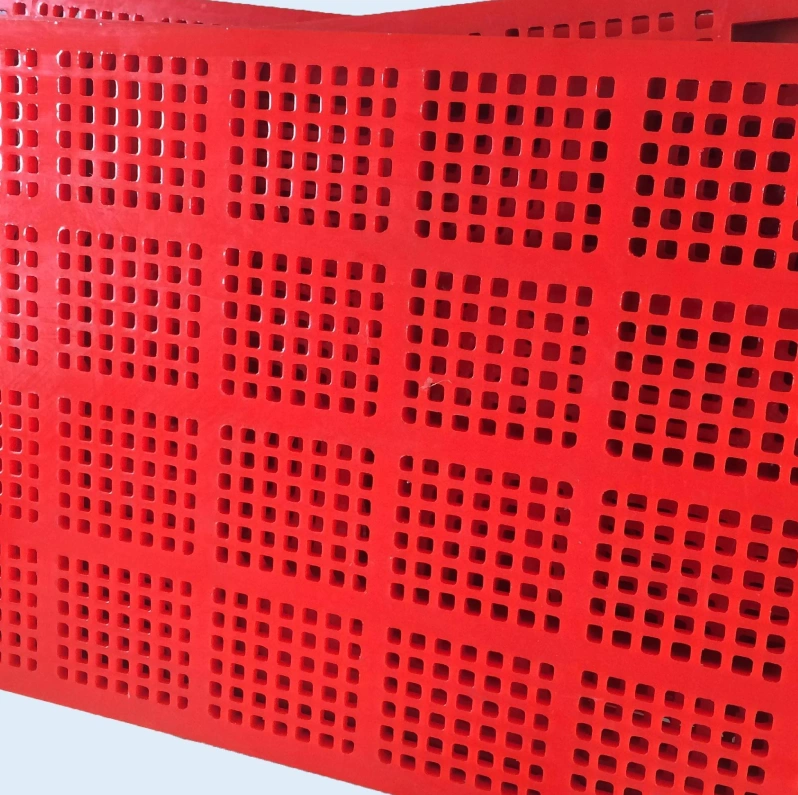
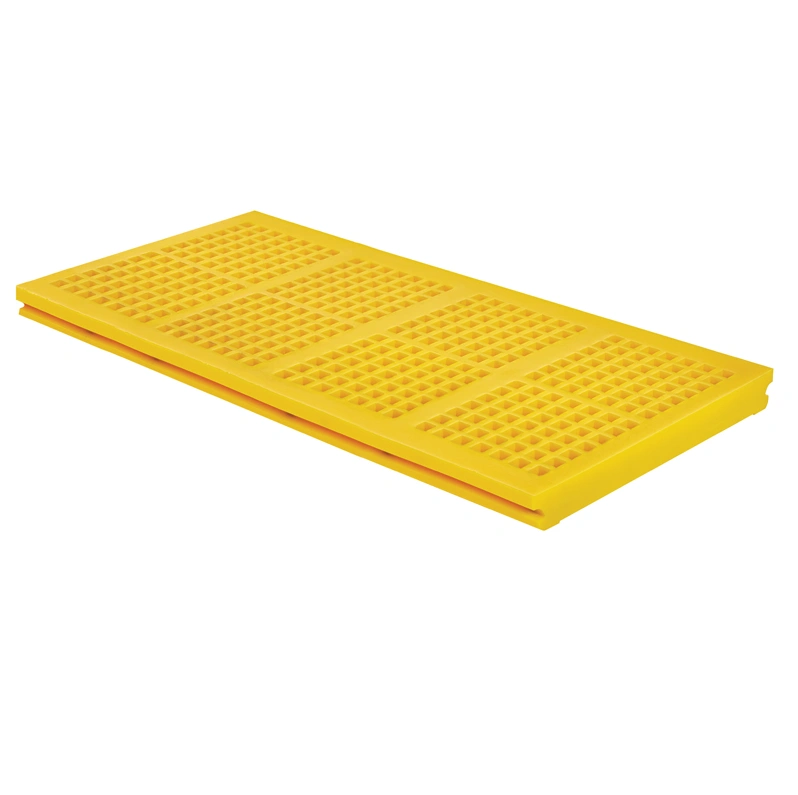
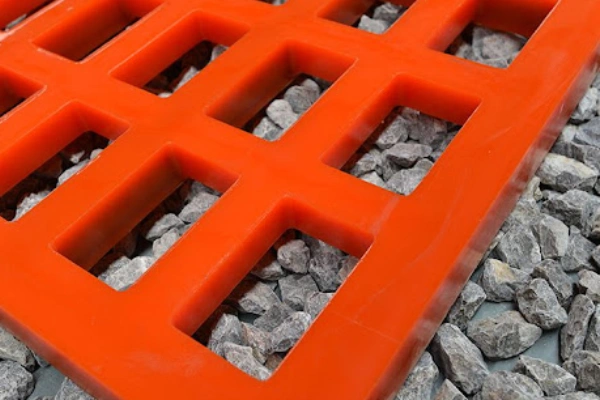
The Tensioned Screen Plate features precision-punched holes with horizontal or vertical tensioning. Polyurethane hook-style connection offers 40-60% sieving rate and 2.5x the load capacity of rubber, ideal for iron ore and coal screening.
Product Detail
The Tensioned Screen Plate is manufactured using precision-punched technology, available in both horizontal and vertical tensioning configurations to suit different vibrating screen designs.
Polyurethane versions utilize a screen hook connection system, making them compatible with DCV circular vibrating screens, SZD circular vibrating screens, and similar equipment.
The hole pattern is optimized for various particle size ranges, achieving a sieving rate of 40-60% depending on the application. Compared to traditional rubber screen cloths, polyurethane tensioned screen plates offer more than 2.5 times the load-bearing capacity, significantly extending service life in abrasive conditions.
The modular design supports quick screen replacement, minimizing downtime and improving overall production efficiency.
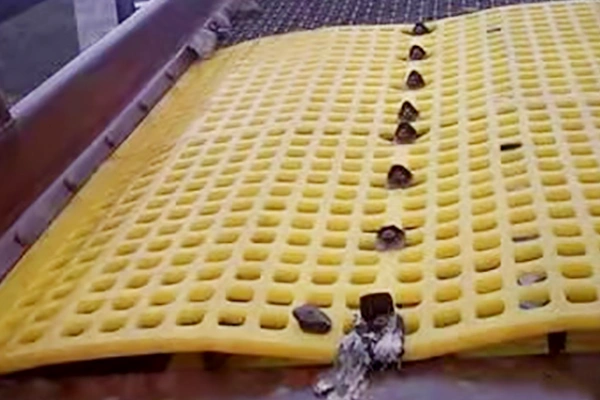
These screen plates are widely used in dry and wet classification, dewatering, medium removal, and desliming operations for medium and fine-grained materials.
Industry Applications

Iron Ore Processing
Ideal for medium-fine crushing screening of iron ore, handling both dry and wet conditions with high wear resistance and 2.5x longer life than rubber screens.
Coal Preparation
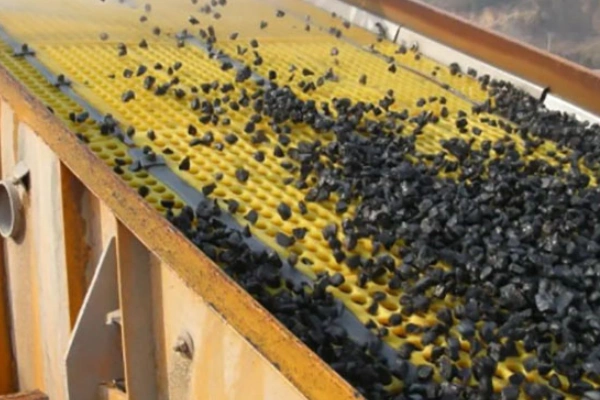
Suitable for raw coal classification, desliming, and medium removal, delivering consistent screening efficiency with quick-change modular design.
Aggregate & Quarrying
Perfect for classifying crushed stone, sand, and gravel in medium-fine fractions, providing excellent impact resistance and high throughput.

FAQ
What is the difference between horizontal and vertical tensioning?
Horizontal tensioning applies tension across the width of the screen plate, while vertical tensioning applies tension along the length. The choice depends on your vibrating screen’s design and the material flow direction. Horizontal tensioning is more common for standard rectangular screens, while vertical tensioning is often used on longer screen decks. Both achieve the same goal: maintaining a flat, vibration-resistant screening surface.
How does the polyurethane version compare to rubber screen cloths?
Polyurethane tensioned screen plates offer three key advantages over rubber:
Load capacity: 2.5x higher than rubber, allowing them to handle heavier material loads
Wear life: Significantly longer service life in abrasive applications
Sieving rate: Maintains 40-60% open area consistently
Rubber may still be preferred for very low-cost applications or where extreme flexibility is required.
What does "40-60% sieving rate" mean in practice?
The sieving rate (open area percentage) indicates how much of the screen surface consists of holes versus solid material. A 40-60% sieving rate means 40-60% of the screen plate area is open for material to pass through. This is considered high for tensioned screens and ensures excellent throughput. The actual rate depends on hole size, pattern, and material thickness.
How quickly can the screen plate be replaced?
The modular design with hook-style connection allows for rapid screen changes. A trained operator can typically replace a tensioned screen plate in 15-30 minutes, depending on screen size and access. This is significantly faster than welded or bolted screen systems, which may take hours. Quick replacement minimizes production downtime.
Can this screen plate handle both dry and wet screening?
Yes. The Tensioned Screen Plate is designed for both dry and wet screening applications. The precision-punched holes maintain their shape in wet conditions, and the polyurethane material does not absorb water or degrade. It performs well in dewatering, desliming, and medium removal applications where water is present, as well as in dry classification of iron ore and coal.