
Flotation Machine Series
Polyurethane Screening
3-5X Longer Life
Significantly outlasts wire mesh and rubber screens
Non-Blinding Design
Tapered slots prevent material clogging
Low Noise
Reduces workplace noise compared to metal screens
Wet & Dry Screening
Excellent performance in both conditions
Flotation Machine Rotor
High-efficiency aeration & low-energy stirring
Aeration 0.2–0.5
m³/(m²·min) with uniformity error ≤5%
Bubble size 0.1–0.5mm
Uniformity >90%
Life 8000–12000h
High‑chromium alloy
Energy -10–15%
Optimized blades
Our Product Series Flotation Components – Engineered for Mineral Recovery
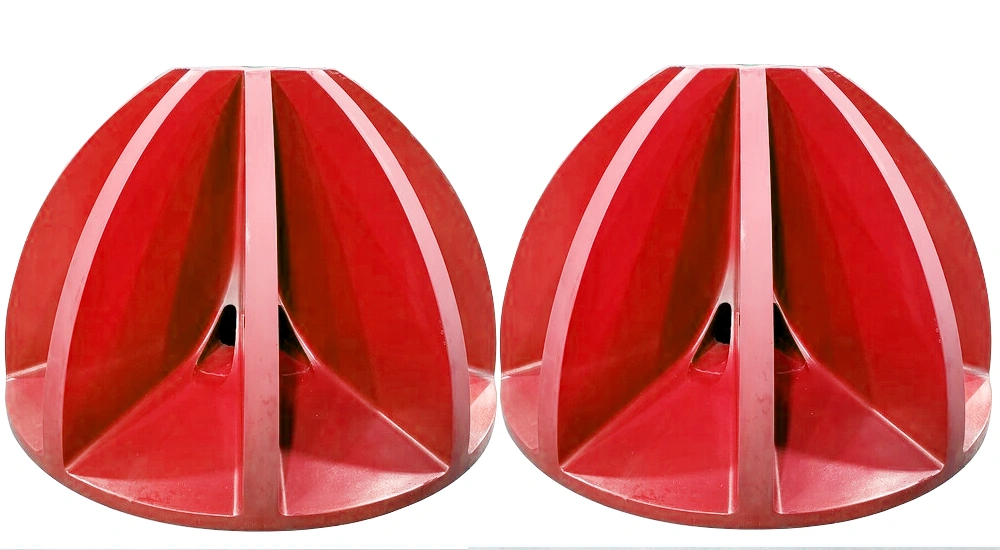
Flotation Rotor
- For copper, iron, lead‑zinc, fluorite, graphite
- Single cell volume ≥10 m³
- Stirring uniformity error ≤5%
- Wear life 2‑3× conventional cast iron
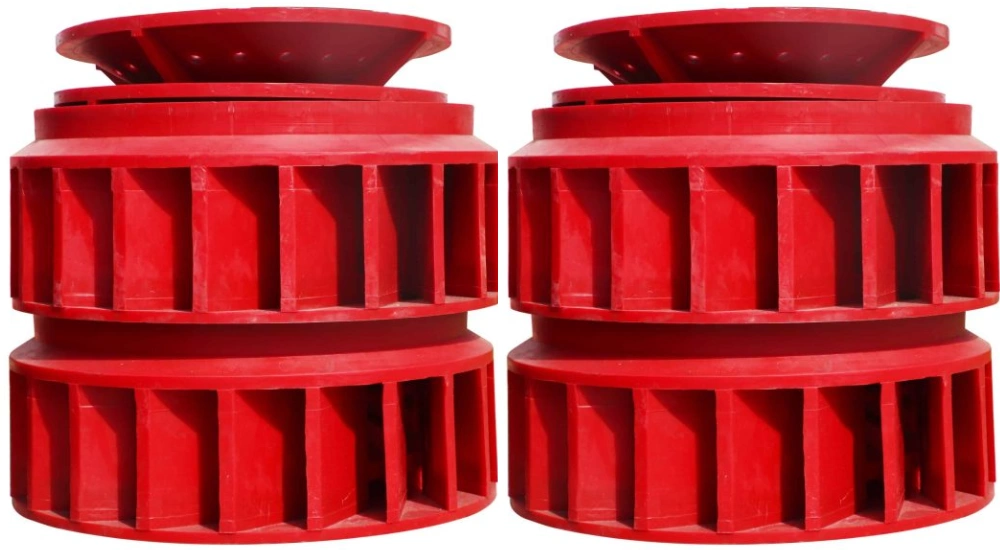
Flotation Stator
- Bubble size: 0.1–0.5mm
- Uniformity >90%
- Guide grooves reduce turbulence
- Maintenance cost -40%
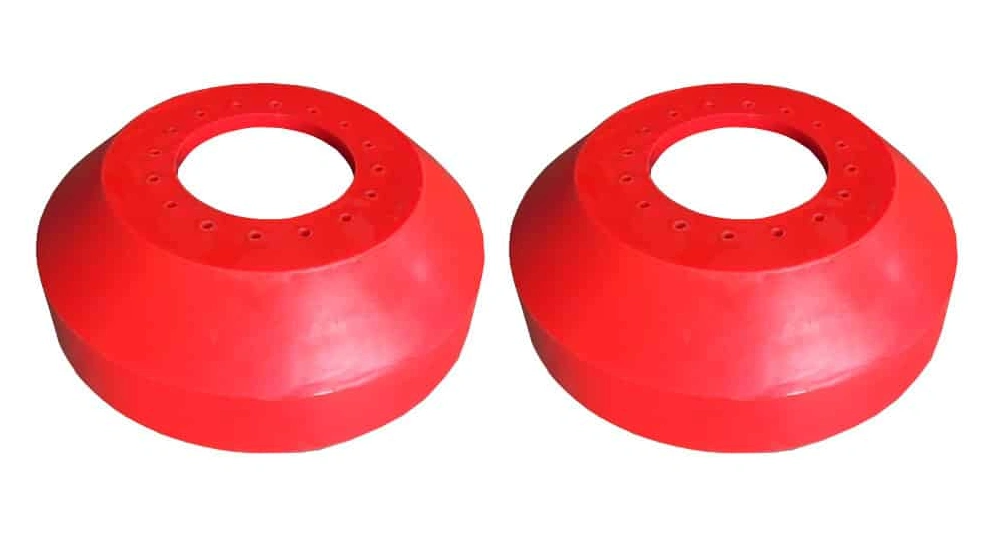
Stator Cover Plate
- Residence time +10‑20%
- Coating life: 6000‑10000h
- For coarse particle flotation (iron ore, waste metal)
- Abrasion protection
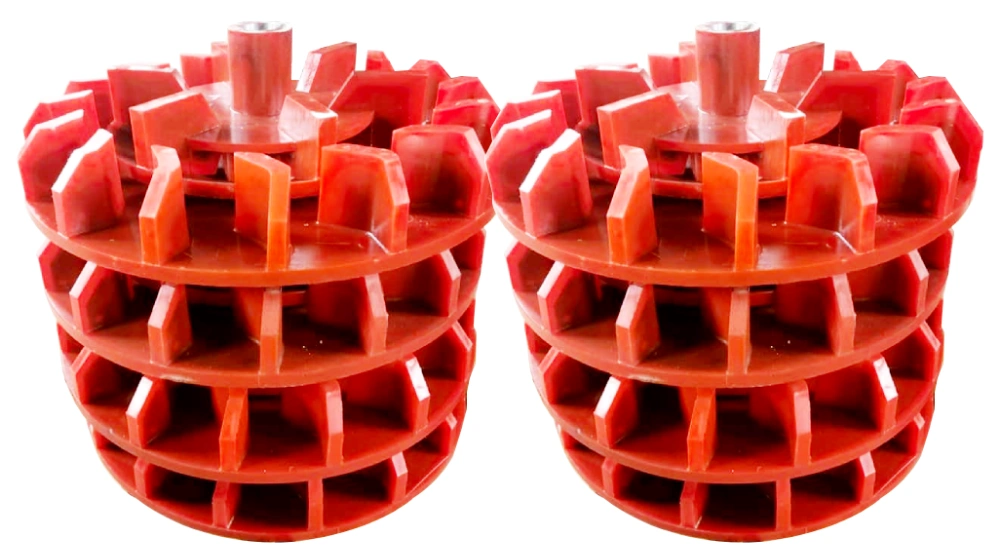
Flotation Impeller
- Service life: 3‑4× cast iron
- Blade types: closed or open
- Adjustable blade numbers for viscosity
- Compatible with flash & aerated flotation
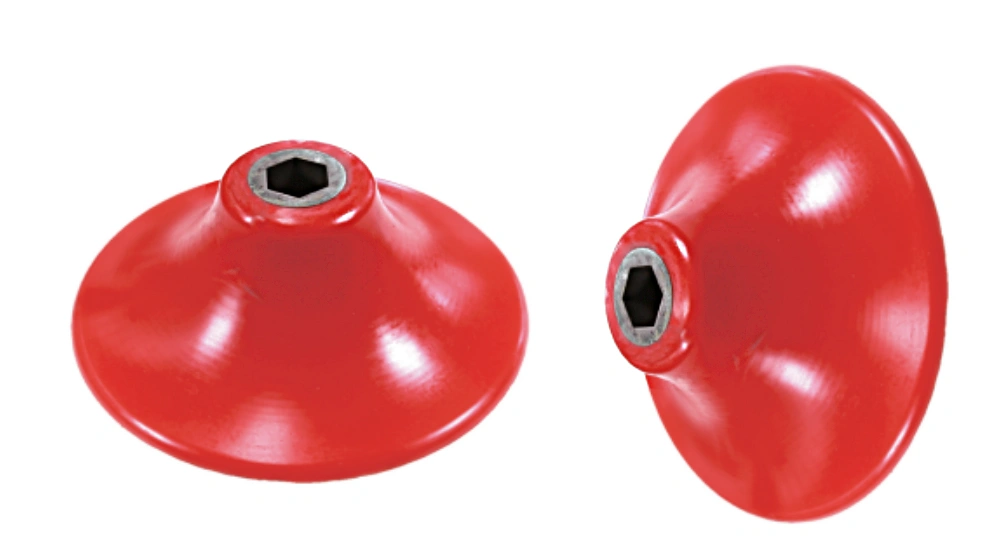
Compression Bolts
- Anti‑loosening: tested 10,000h
- Rust‑proof: 2‑3 years
- No extra tools required
- For rotor‑shaft, impeller‑rotor, stator‑casing
Why Choose Us
Matched Sets
Rotor+stator+cover plate optimized together
Energy efficient
Up to 15% power saving
Modular wear parts
Local replacement saves cost
FAQ
What is the difference between a flotation rotor and a flotation impeller? Do I need both?
Yes, both are required but serve different functions. The rotor is primarily responsible for pulp stirring and aeration – it draws in air and disperses it throughout the slurry. The impeller works alongside the rotor to enhance stirring and aeration intensity, focusing on the core mixing action. In many flotation machine designs, the rotor and impeller operate as a combined system. We recommend replacing both as a matched set for optimal performance.
How do I know when my flotation stator needs to be replaced?
Common signs include:
Decreased bubble refinement (bubbles larger than 0.5mm)
Uneven bubble distribution (uniformity drops below 90%)
Increased turbulence leading to coarse particle sedimentation
Visible wear or cracking on the guide grooves
Our stator features a modular design, allowing local replacement of worn sections rather than full replacement, reducing maintenance costs by up to 40%.
What aeration rate can I expect from your flotation rotor?
Our high-quality flotation rotor achieves an aeration rate of 0.2–0.5 m³/(m²·min) with a stirring uniformity error of ≤5%. This ensures consistent bubble dispersion and effective contact between reagents and ore particles, directly improving your recovery rate.
Are your flotation components compatible with large-capacity flotation machines?
Our components are specifically designed for single cell volumes ≥10 m³. The rotor, stator, stator cover plate, and impeller are all engineered to handle high throughput while maintaining aeration efficiency and wear resistance. We can also customize dimensions to match your specific flotation machine model.
Do your compression bolts really stay tight under high-frequency vibration?
Yes. Our compression bolts feature a composite coating + anti-loosening washers, and have been tested to remain tight for 10,000 hours under the high-frequency vibration conditions typical of flotation machines. They also provide 2–3 years of rust protection in humid slurry environments and require no extra fastening tools, improving installation efficiency by 30%.
