
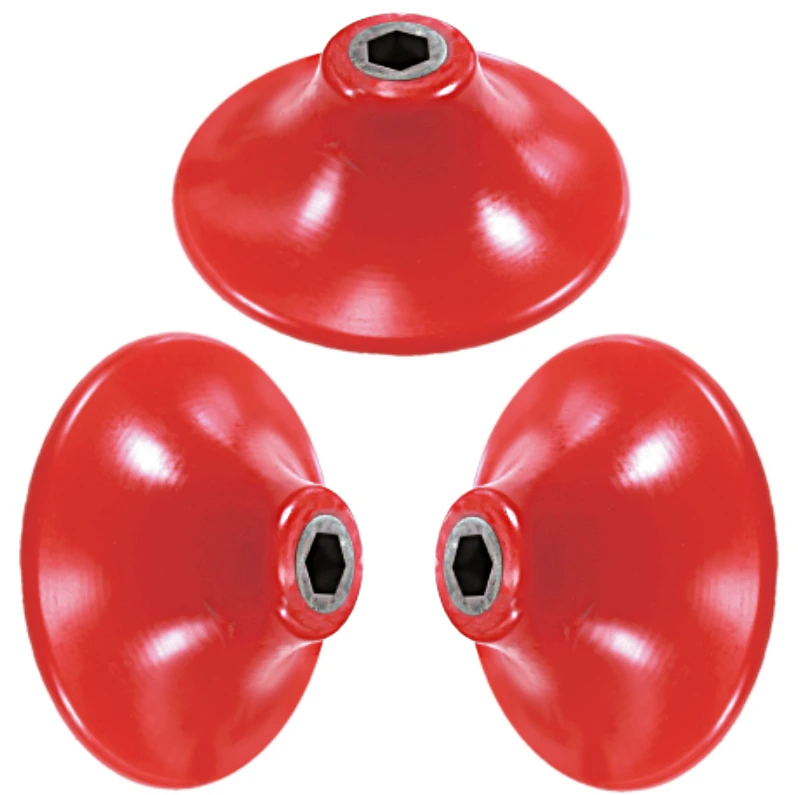
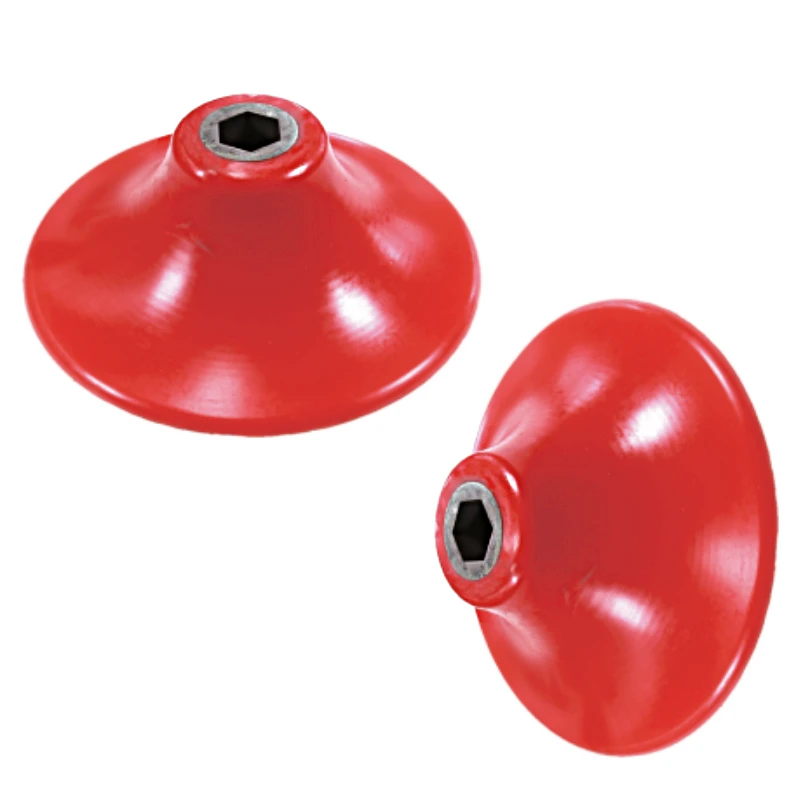
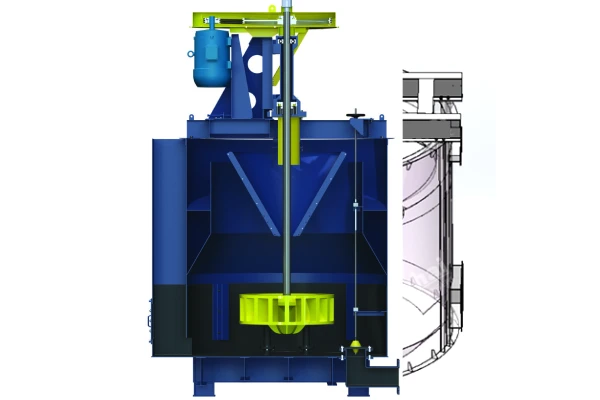
Compression Bolts

Compression bolts feature composite material coating with anti-loosening washers. Maintains 10,000 hours of vibration-proof performance under high-frequency conditions. Rust-resistant for 2-3 years in humid environments. Improves installation efficiency by 30%.

Product Detail

Superior Anti-Loosening Performance: Laboratory tests have demonstrated that under the high-frequency vibration conditions typical of flotation machine operation, the anti-loosening effect remains effective for 10,000 hours without failure. The composite material coating, in conjunction with the anti-loosening washer system, maintains clamping force even under continuous vibration and frequent start-stop cycles—conditions that would cause standard fasteners to back out or fail.

Enhanced Corrosion Resistance: The composite material coating provides extended rust protection in aggressive environments. In humid pulp environments with pH variations common to mineral processing, the coating delivers an anti-rust period of 2-3 years. This significantly outperforms standard zinc-plated or black oxide fasteners, which typically begin corroding within months in similar conditions.

Installation Efficiency: The bolt system can be equipped with anti-loosening washers without requiring additional fastening tools. This design feature improves installation efficiency and overall fastening durability by 30% compared to conventional bolting systems that require specialized torque equipment or locking compounds.

Industry Applications

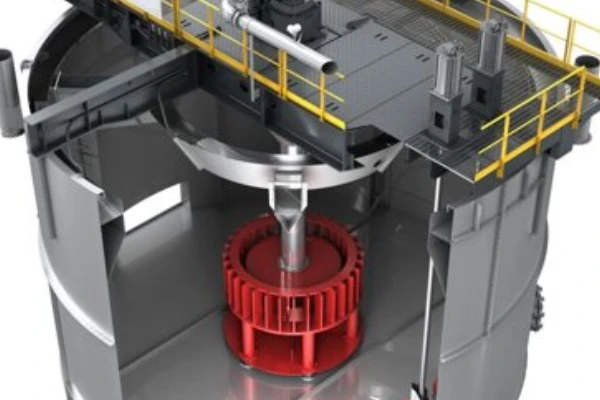
Flotation Machine Rotor-to-Main Shaft Connections

Ideal for securing rotor assemblies to main shafts in mechanical flotation cells. Withstands 10,000 hours of high-frequency vibration without loosening, preventing catastrophic equipment failure.
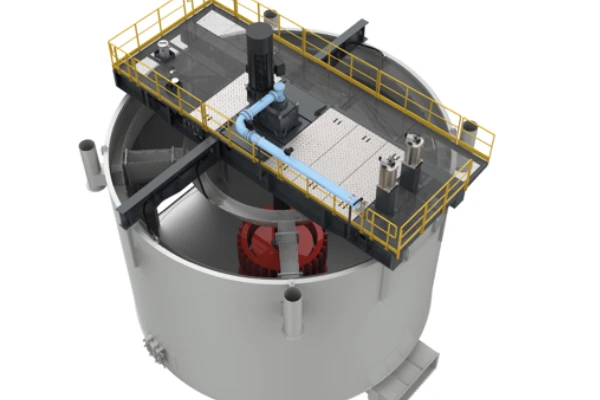
Impeller-to-Rotor Fastening

Perfect for impeller attachment where frequent start-stop impacts would loosen standard bolts. The composite coating provides 2-3 years rust protection in humid pulp environments.
Stator-to-Casing Mounting

Suitable for securing stator guide vanes to flotation cell casings. Maintains precise 7-9mm clearance between impeller and stator, ensuring optimal flotation performance.

FAQ

How do compression bolts achieve 10,000 hours of anti-loosening performance?

The anti-loosening capability comes from three integrated design features:

  1. Composite material coating: Provides a controlled friction coefficient that resists vibrational loosening

  2. Anti-loosening washer system: Creates spring-loaded clamping force that maintains tension even as components settle

  3. Thread geometry optimization: Special thread profile distributes load across more thread engagements

Under standard flotation machine operating conditions (vibration frequency: 50-60Hz, amplitude: 5-8mm), independent testing confirms the 10,000-hour performance rating without loosening.

The composite coating provides corrosion protection through multiple mechanisms:

  • Barrier protection: Prevents moisture and pulp from contacting the steel substrate

  • Chemical resistance: Withstands pH variations typical in flotation circuits (pH 4-11)

  • Cathodic protection elements: Sacrificial components protect exposed steel at thread interfaces

In humid flotation plant environments—where airborne moisture, pulp splashing, and chemical reagents accelerate corrosion—the coating extends service life 3-4 times longer than standard zinc-plated fasteners. Replacement intervals can be extended to 2-3 years versus 6-12 months for conventional bolts.

Flotation machines present unique fastening challenges that standard bolts cannot reliably address:

  • High-frequency vibration: Continuous operation generates vibration that progressively loosens standard nuts

  • Start-stop impacts: Frequent shutdowns and restarts for maintenance create shock loads

  • Corrosive environment: Pulp slurries, reagents, and humidity attack unprotected steel 

  • Critical clearances: Flotation performance depends on maintaining precise 7-9mm radial and axial clearance between impeller and stator 

When standard bolts loosen, clearance tolerances are lost, reducing flotation efficiency and potentially causing impeller-stator contact damage. Compression bolts maintain critical clearances throughout the 10,000-hour rating period.

For critical flotation machine applications, single-use is generally recommended for optimal reliability. The composite coating may be damaged during removal, reducing its anti-loosening effectiveness upon reinstallation. For non-critical applications or emergency repairs:

  • Inspect threads for deformation or coating damage

  • Replace anti-loosening washers (they are one-time use)

  • Apply thread-locking compound as a precaution

For maximum 10,000-hour performance, always use new compression bolts for critical rotor-to-shaft and impeller connections.

Field verification methods include:

  • Torque check: Use a torque wrench to verify that required breakaway torque remains within specification (typically 80-120% of installation torque)

  • Visual inspection: Look for witness marks indicating relative movement between bolted components

  • Performance monitoring: Sudden changes in flotation cell current draw or aeration rate may indicate loosening

  • Scheduled replacement: For critical applications, replace at scheduled intervals (e.g., every 8,000-10,000 hours regardless of condition)

Regular inspection of fasteners is an established best practice in mining maintenance .

Send a Message