
Woven Composite Screen Plate

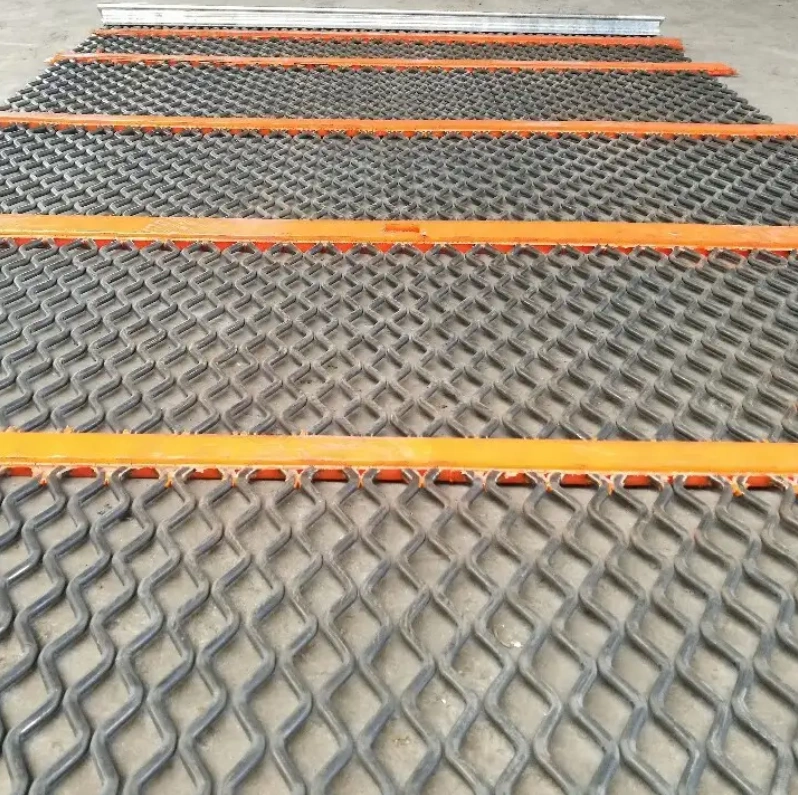
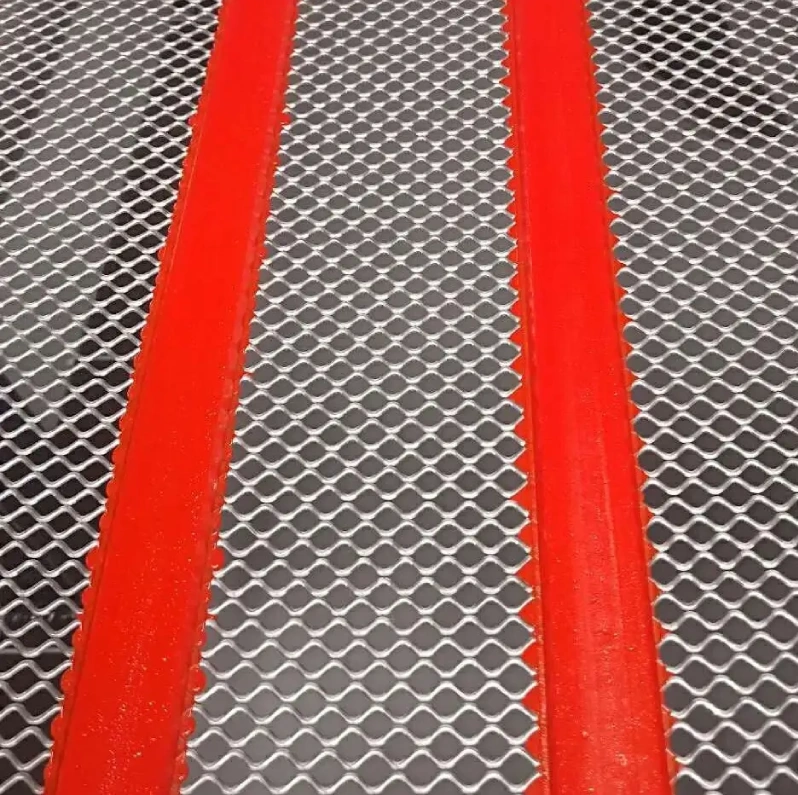
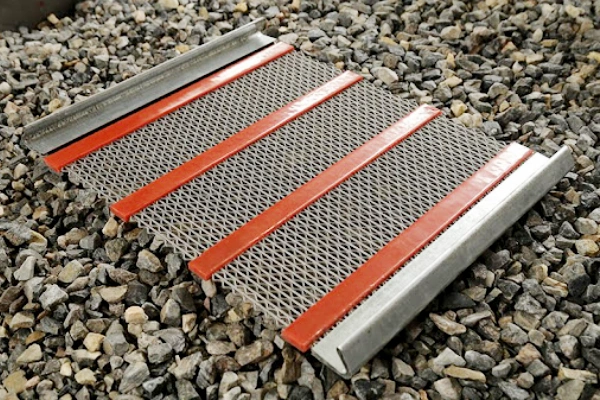
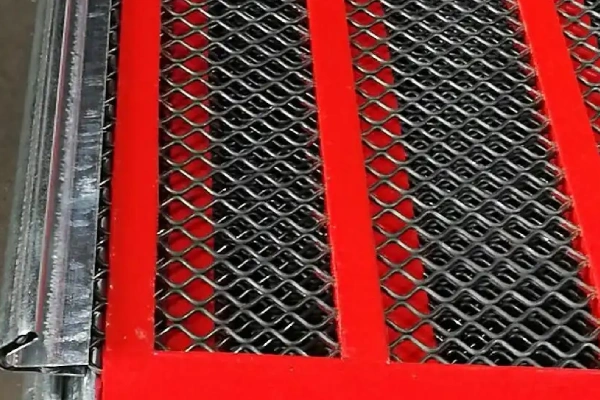
This woven composite screen plate bonds a high-carbon steel woven mesh to a rigid support frame. The “rounded-edge” square holes achieve a 90% sieving rate with breakage ≤3%. Designed for 20-100mm limestone and iron ore, it offers ≥500MPa tensile strength and extended life in high-humidity environments.

Product Detail

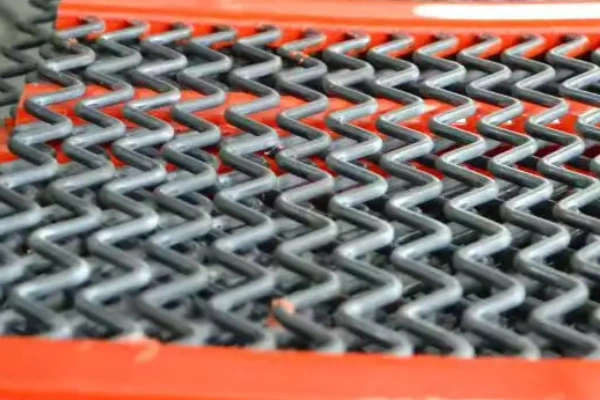
The Woven Composite Screen Plate adopts a three-layer composite structure: an outer high-carbon steel woven mesh with square openings (20-100mm), an intermediate polyurethane bonding layer, and an inner steel mesh support.

This configuration ensures exceptional rigidity, preventing the woven mesh from deforming under heavy impact. A key innovation is the “rounded-edge” design of the square woven holes, which significantly reduces particle clogging and sharp-edge wear.

The natural elasticity of the woven mesh acts as a buffer against material impact, controlling particle breakage below 3% and preventing size mixing. With a tensile strength of ≥500MPa, it withstands impact from 50kg-class materials.

Furthermore, the polyurethane encapsulation offers superior corrosion resistance compared to bare metal plates, extending service life by 1.5 times in environments with humidity exceeding 80%. The stable open area achieves a consistent 90% sieving rate.

Industry Applications

Cement & Construction

Efficiently screens 20-50mm limestone with high throughput. The 90% open area ensures continuous feed for crushers, while the durable mesh resists abrasive wear.
Metallurgy & Mining

Ideal for 50-80mm iron concentrate pre-screening. The composite structure absorbs high impact forces, maintaining precise cut points without damaging the screen mesh.
Coal Preparation

Used for 30-50mm raw coal desliming before washing. High humidity resistance prevents rusting, and the smooth surface prevents sticky fines from blinding the apertures.c

FAQ

How does the “rounded-edge” design improve screening performance?

Traditional woven screens have sharp wire edges that cut into particles, causing breakage and increasing clogging. The rounded-edge design on this composite plate smooths the contact point, allowing particles to pass through without being sheared. This results in a ≤3% breakage rate and significantly reduces the frequency of screen blinding.

In coarse material classification (20-100mm), heavy impact from falling rocks can deform standard screens, altering the aperture size. The ≥500MPa tensile strength ensures the composite plate retains its structural integrity under impact from 50kg-class materials, guaranteeing consistent classification accuracy over time.

Yes. While standard carbon steel rusts quickly in humidity >80%, the polyurethane bonding layer encapsulates the edges of the woven mesh, providing a protective barrier against moisture. This design extends the service life by 1.5 times compared to pure metal screen plates in wet or high-humidity environments.

A higher open area allows more material to pass through per square meter of screen surface. For coarse materials, this maximizes throughput and reduces recirculation loads on crushers, leading to lower energy consumption and higher overall plant efficiency.

These plates are typically designed in modular sections. The rigid composite structure allows for quick bolt-down or clamping installation, enabling fast replacement of specific panels without replacing the entire screen deck, minimizing downtime.

Send a Message