
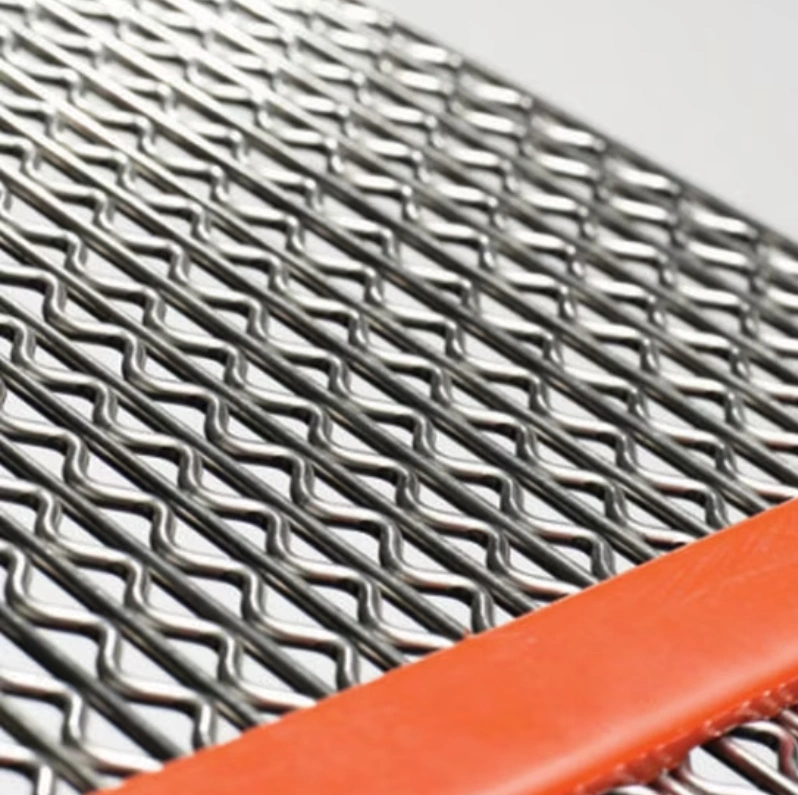
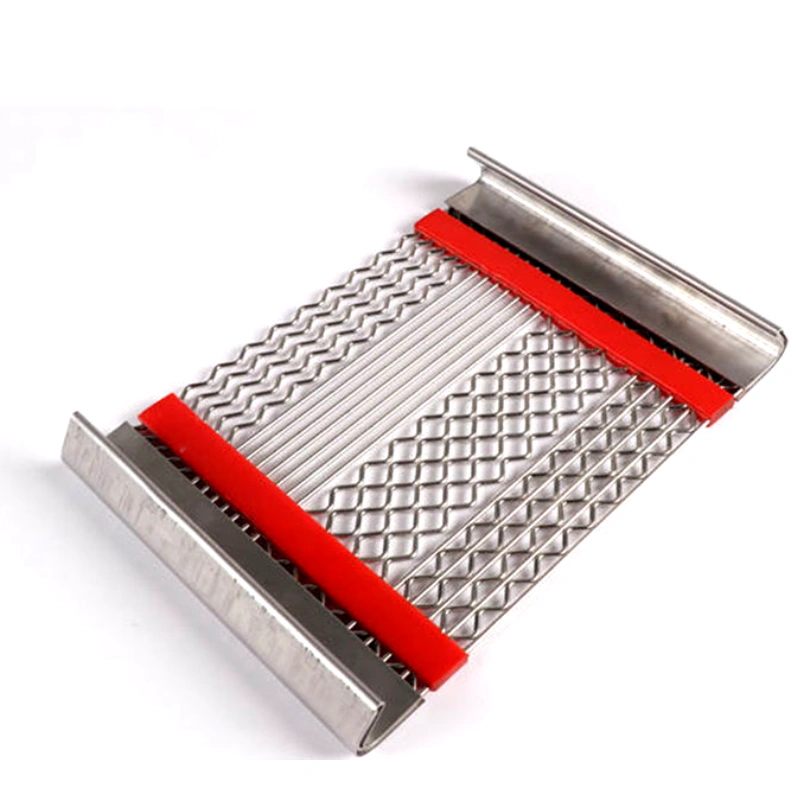
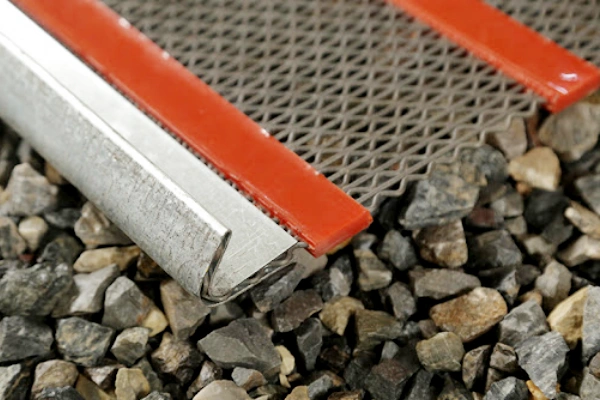
Wavy Anti-Clogging Screen Plate

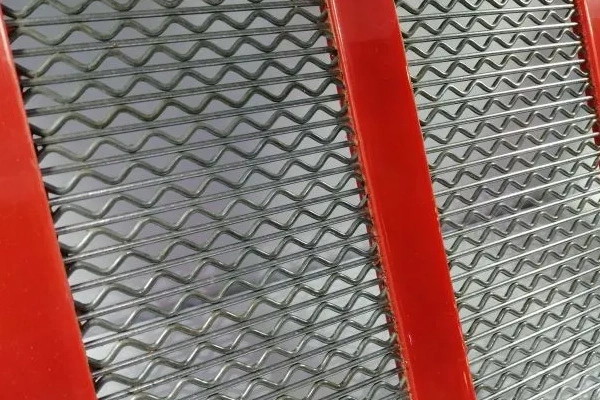
This heavy-duty anti-clogging screen plate features a 5-10mm wavy surface and trapezoidal holes. Achieves 75-85% sieving rate (15-20% higher than flat plates) with >90% anti-clogging efficiency. Ideal for pre-screening wet, sticky granite, basalt, and raw coal under high-impact conditions.

Product Detail

The Wavy Anti-Clogging Screen Plate is manufactured from high manganese steel or specialized wear-resistant steel, featuring continuously pressed wavy protrusions (wave height 5-10mm) across the screening surface. The screen openings are trapezoidal—wider at the top and narrower at the bottom—a geometry specifically engineered to prevent particle wedging.

Anti-Clogging Mechanism: The wavy surface forces heavy materials to tumble and bounce as they travel across the deck. This continuous flipping action breaks the surface tension layer created by moisture or clay, preventing particles from adhering to the openings. The raised profile also generates high-frequency micro-vibrations at the wave peaks, which actively dislodge any material that approaches the apertures. The combination of wave peaks spaced at 1.2 times the hole width creates a self-cleaning effect that consistently achieves an anti-clogging rate exceeding 90%.

Superior Open Area & Throughput: By optimizing the relationship between wave amplitude and hole geometry, this design achieves a sieving rate of 75-85%—surpassing ordinary flat steel plates by 15-20% . This increased open area translates directly to higher material throughput and reduced recirculation loads on downstream crushers.

High Impact Resistance & Long Service Life: The wavy profile distributes impact forces across the raised ridges, reducing direct stress on the screen body. The plate delivers impact resistance of 200J/cm², withstanding repeated impact from 100kg-class material blocks without deformation or fracture. Additionally, the raised surface geometry minimizes direct material abrasion, extending service life to 2-3 times that of standard steel plates . No external vibration enhancement devices are required, reducing overall equipment energy consu

Industry Applications

Mining & Quarrying (Pre-screening after Primary Crushing)

Ideal for pre-screening wet, sticky granite and basalt containing clay or fines. The >90% anti-clogging rate ensures continuous operation without manual deck cleaning, even during rainy season.
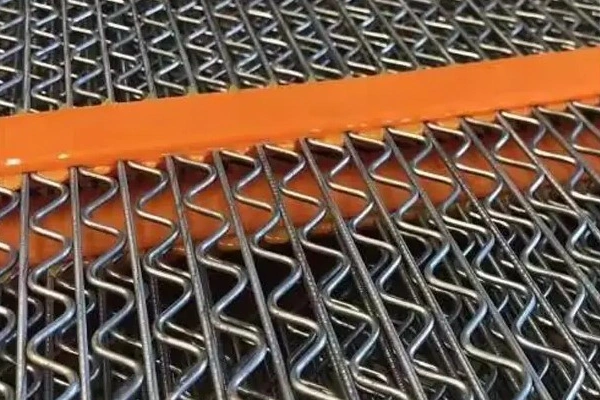
Coal Preparation (Raw Coal Destoning)

Efficiently removes >50mm gangue from raw coal feeds. The 200J/cm² impact resistance handles large, heavy materials while the wavy surface prevents clay-rich coal from blinding the deck.
Aggregate Production (Sand & Gravel Pre-treatment)

Perfect for pre-treating muddy aggregates before further processing. Delivers 15-20% higher throughput than flat screens, reducing crusher wear by removing undersize and fines early in the circuit.

FAQ

How does the wavy surface prevent clogging better than a flat screen?

Flat screens allow flat-sided or elongated particles to lay across openings and stick, especially in wet or clay-rich conditions. The wavy surface forces materials to continuously change orientation as they move across the raised profile. This tumbling action prevents particles from settling into openings. Additionally, the wave peaks generate secondary vibrations that shake loose any material that does approach the apertures . The result is an anti-clogging rate exceeding 90%, even in challenging applications like wet granite or raw coal de-sliming.

This geometry exploits the natural direction of material flow. As particles approach from above, the wider top entry increases the probability of passing through. Once inside, the narrowing walls prevent wedging. If a particle is too large to pass, it is pushed back up and out rather than becoming lodged. This is fundamentally different from straight-walled or reverse-taper holes, which can trap near-size particles

This is a mathematically derived ratio that maximizes the self-cleaning effect. When the distance between wave peaks is 1.2 times the aperture width, each particle that fails to pass through an opening immediately encounters a raised peak on its next bounce. That impact creates a localized vibration that shakes the particle loose. Field data confirms that this specific ratio achieves optimal anti-clogging performance without sacrificing open area or throughput 

Yes. The 200J/cm² impact resistance rating means the plate can absorb and dissipate the energy of a 100kg block falling from typical screen feed heights without permanent deformation. The wavy profile contributes significantly to this by distributing impact forces across the raised ridges rather than concentrating stress on flat surfaces. In practice, this delivers 2-3 times longer service life than standard steel plates in primary and secondary screening applications.

While the anti-clogging benefits are most dramatic in wet or clay-rich conditions, the wavy surface also improves dry screening performance. The tumbling action enhances material stratification, helping fines reach the screen surface faster while coarse particles ride above. This can increase screening efficiency by 15-20% in dry applications compared to flat decks . For dry, free-flowing materials, the raised surface also reduces the depth of the material bed, allowing more particles to contact the screen openings per pass

Send a Message