
Rubber Screen Plate

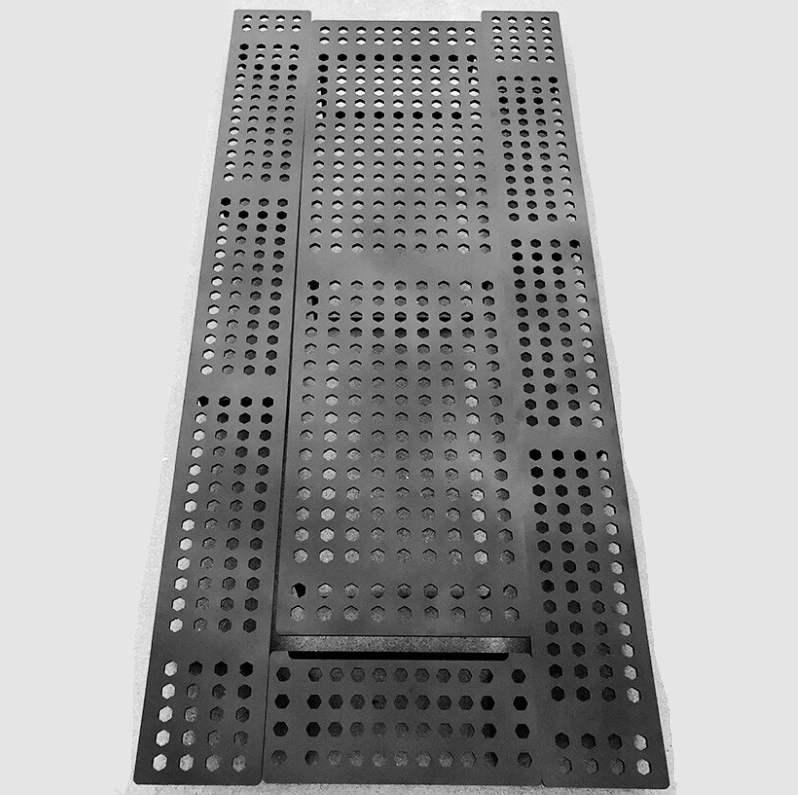
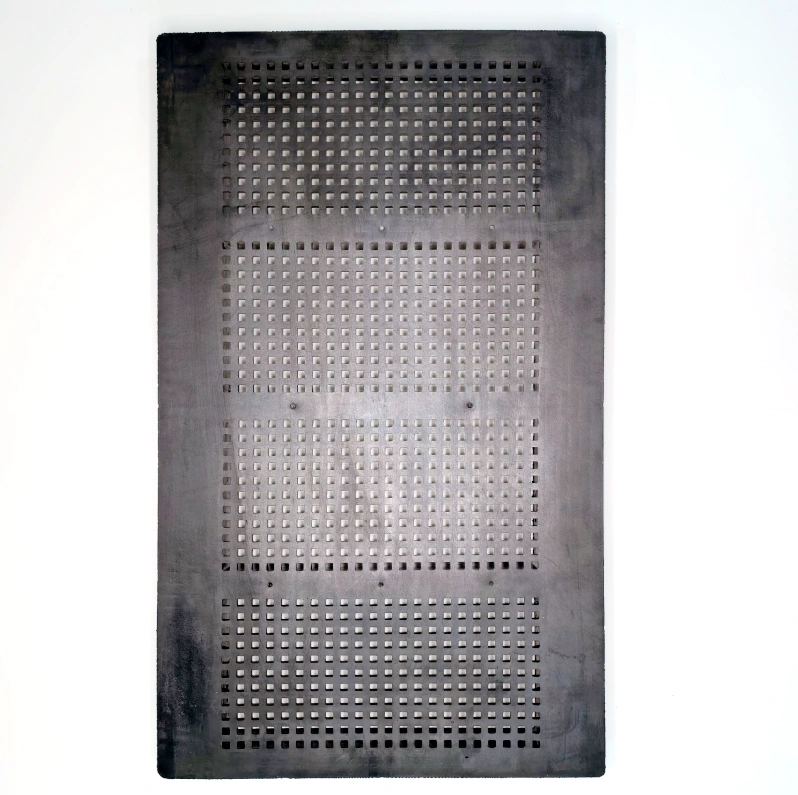
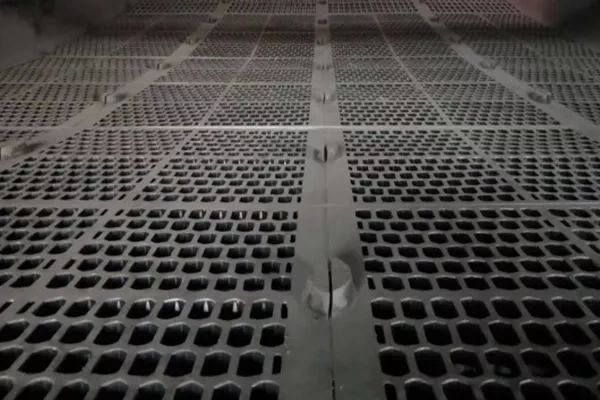
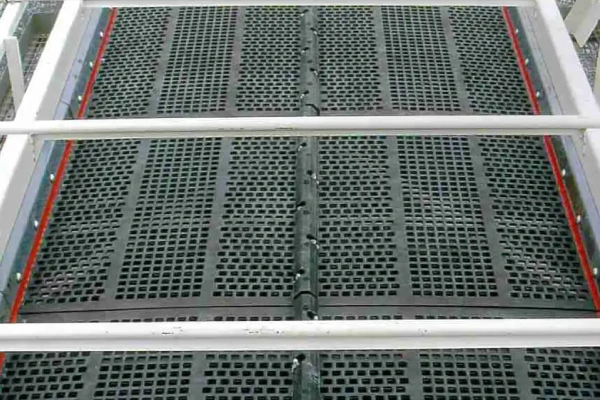
The Rubber Screen Plate features arc-shaped hole walls and 1.5-2.0MPa elastic modulus, achieving ≤2% particle breakage. Withstands 50kg impacts without cracking. Lasts 3x longer than metal plates in pH 3-11 environments. Ideal for coal, gypsum, and sludge screening.

Product Detail

Low Breakage Rate: The inherent elasticity of rubber cushions material impact, preventing friable materials (such as gypsum) from shattering during screening. This achieves a particle breakage rate of ≤2%, significantly lower than metal screens that create sharp impact points.

Superior Impact Resistance: The rubber formulation absorbs and dissipates impact energy, allowing the screen plate to withstand repeated impacts from 50kg-class materials without cracking, deformation, or structural failure. This makes it suitable for heavy-duty applications where material impact would damage metal screens.

Exceptional Corrosion Resistance: Rubber is inherently resistant to a wide range of chemicals. In acidic and alkaline environments with pH levels ranging from 3 to 11, this screen plate delivers a service life three times longer than ordinary metal screen plates, which would rapidly corrode under similar conditions.

Noise Reduction: The high damping properties of rubber significantly reduce operational noise levels. Field measurements confirm that rubber screens reduce noise by 5-20 decibels compared to metal screens , meeting industrial noise standards without requiring additional soundproofing measures.

Industry Applications

Coal Industry (Fine Coal Classification)

Ideal for 10-30mm fine coal classification. The elastic surface cushions coal particles, preventing breakage while the arc-shaped holes resist clogging from moist fines. Noise reduction benefits improve working conditions in coal preparation plants.
Chemical Industry (Gypsum Purification)

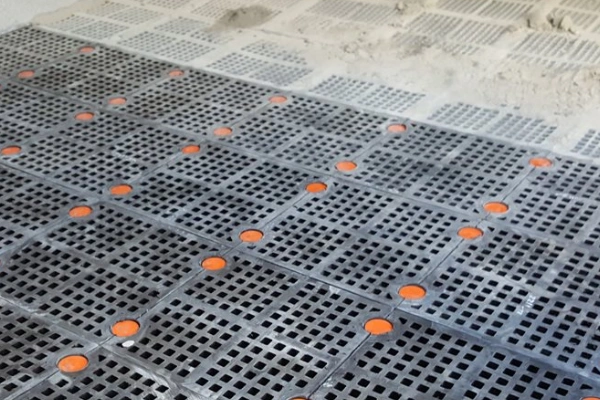
Perfect for 30-50mm gypsum impurity removal. The ≤2% breakage rate preserves gypsum crystal integrity, while pH 3-11 chemical resistance protects against acidic process streams that would corrode metal screens.
Environmental Protection

Suitable for 50-80mm dried sludge block separation. The rubber surface prevents sticky sludge from adhering to openings, and impact resistance handles irregular, heavy sludge blocks without cracking.

FAQ

How does the arc-shaped hole wall design improve screening performance?

Traditional straight-walled holes create sharp edges where particles can catch, wedge, or abrade. The arc-shaped design features a smooth, curved profile that guides particles through the opening rather than obstructing them. This reduces friction and adhesion, making it particularly effective for moist or sticky materials. The curved walls also distribute impact forces more evenly, contributing to the screen plate’s excellent impact resistance.

Metal screens are rigid. When a friable particle (like gypsum or coal) strikes a metal wire or plate, the impact is sharp and concentrated, often causing cracking or shattering. Rubber, with its 1.5-2.0MPa elastic modulus, compresses slightly upon impact, absorbing and dispersing the energy over a larger area and longer duration. This cushioning effect significantly reduces the peak force experienced by the particle, preserving its integrity 

pH 3 is acidic (similar to vinegar or acid mine drainage). pH 11 is alkaline (similar to lime slurry or certain chemical process streams). Most carbon steel screens begin corroding rapidly below pH 5 or above pH 9, leading to premature failure. Rubber is chemically inert across this wide range, meaning it won’t rust, pit, or degrade. In coal preparation (often slightly acidic) or gypsum processing (often slightly alkaline), this translates to 3x longer service life.

Yes. The rubber material is naturally hydrophobic, meaning it repels water rather than absorbing it. In wet screening, this prevents the screen from becoming waterlogged and heavy. The arc-shaped holes and smooth surface also prevent the adhesion of moist fines, which is a common problem with metal screens in wet applications. The rubber formulation is specifically designed to resist water absorption and maintain its mechanical properties in wet environments.

Yes. Metal screens can generate significant noise as material impacts the rigid surface. Rubber’s high damping properties absorb vibration energy rather than transmitting it as sound. Independent testing shows rubber screens reduce noise by 5-20 decibels compared to metal screens . A 10dB reduction is perceived as a 50% reduction in loudness by the human ear. This improves worker comfort, reduces hearing protection requirements, and helps facilities comply with occupational noise regulations.

Send a Message