
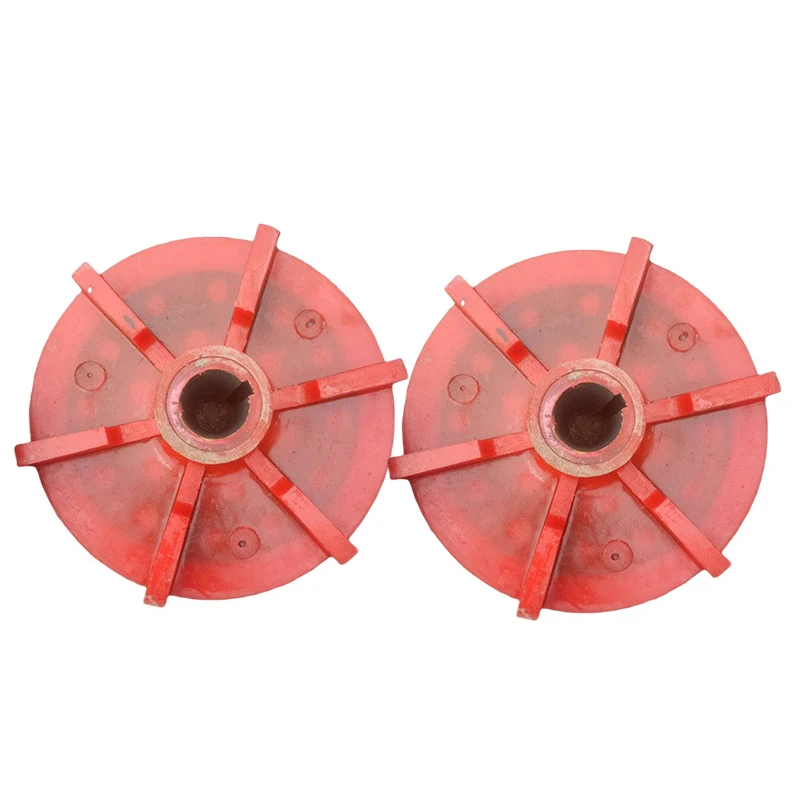
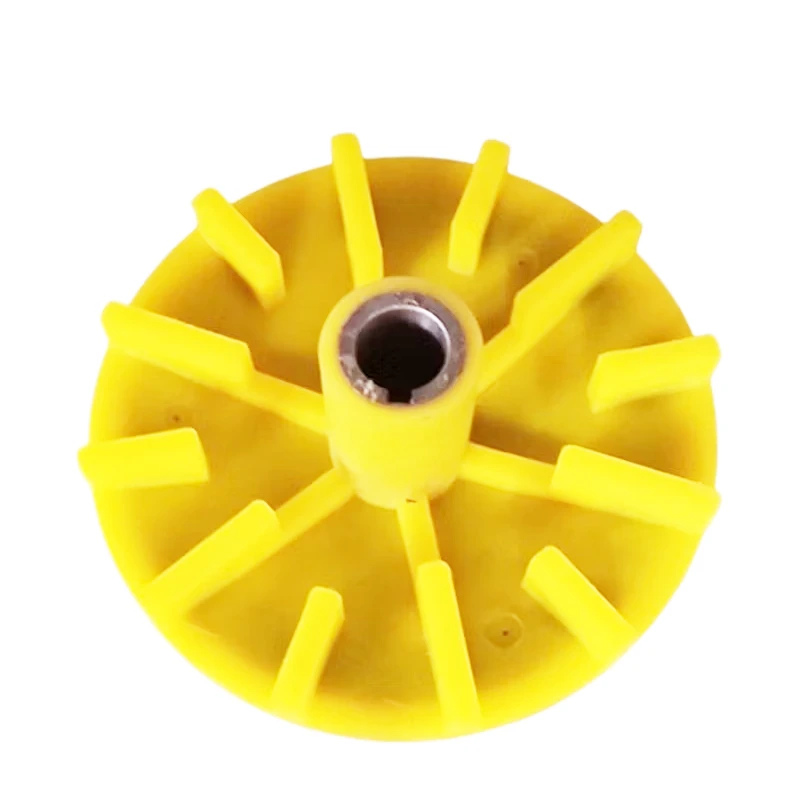
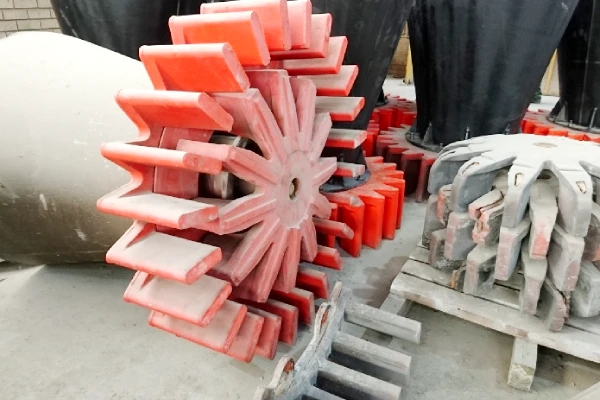
Flotation Machine Stator Cover Plate

The flotation machine stator cover plate is made of reinforced composite material, sealing the upper cell space and guiding pulp flow. Extends pulp residence time by 10-20%. Outer wear-resistant coating delivers 6,000-10,000 hours service life. Ideal for coarse particle flotation.

Product Detail

Extended Pulp Residence Time: By sealing the upper cell space and optimizing flow patterns, the cover plate extends the pulp residence time in the stator region by 10-20%. This increased residence time enhances the probability of bubble-particle contact, improving overall flotation recovery without requiring larger cell volumes.

Enhanced Durability: The cover plate features an outer wear-resistant coating that effectively reduces pulp impact and abrasion. This protective layer delivers a service life of 6,000-10,000 hours, significantly reducing maintenance frequency and downtime in continuous operation.

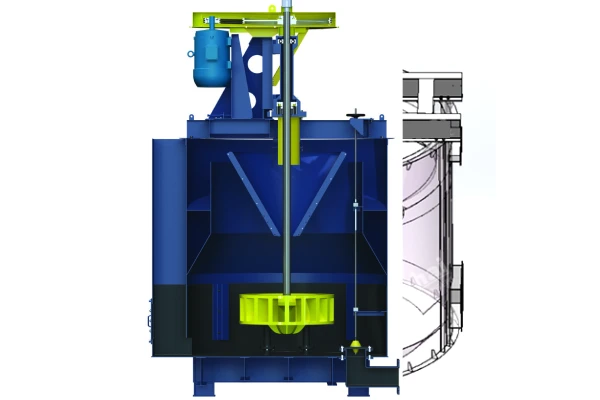
Flow Field Optimization: When the flotation machine is operating, feed slurry is directed to the center of the cover plate. The centrifugal force generated by the rotating rotor throws the slurry outward, while negative pressure is formed between the rotor and cover plate, drawing in air through the inlet pipe. The cover plate’s guiding function ensures stable flow patterns, reducing eddy currents and hydraulic losses.

Design Features: The cover plate works in conjunction with the rotor and stator as an integrated agitation mechanism. Proper gap clearance between the rotor and cover plate (typically 5-8mm) is critical for maintaining optimal aeration and power consumption. The cover plate also prevents ore from settling on the rotor during shutdown, eliminating difficult start-up conditions and preventing motor overload.

Industry Applications

Iron Ore Roughing

Ideal for iron ore roughing circuits where coarse particles are present. The extended residence time (10-20%) improves recovery of coarse hematite and magnetite that would otherwise settle out.
Construction Waste Metal Recovery

Perfect for recovering waste metals from construction and demolition debris. The wear-resistant coating (6,000-10,000 hour life) withstands abrasive contaminants like concrete dust and rebar fragments.
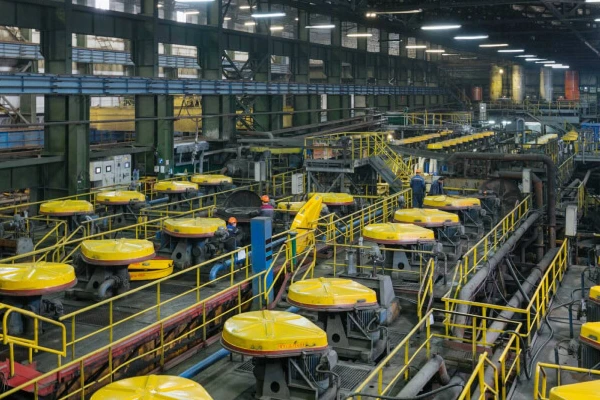
Large-Scale Mineral Processing Plants

Suitable for high-throughput flotation circuits treating coarse feeds. The reinforced composite construction provides structural integrity while the optimized flow guidance minimizes turbulence-induced particle detachment.

FAQ

What is the main function of the stator cover plate?

The stator cover plate (also referred to as the impeller cover) serves three critical functions in the flotation machine:

  1. Aeration assistance: Works with the rotor to produce the inflatable effect—when slurry is thrown out from the rotor, negative pressure is formed beneath the cover plate, drawing in air

  2. Anti-settling protection: Prevents ore from settling onto the rotor during shutdown, eliminating difficult start-up conditions and preventing motor overload

  3. Flow guidance: Guides the slurry thrown out by the rotor to reduce eddy currents and hydraulic losses, stabilizing the flow field

Without a properly designed cover plate, flotation performance degrades due to poor air dispersion and uneven pulp circulation.

The cover plate seals the upper space of the flotation cell, preventing short-circuiting where slurry would flow directly from feed to discharge without adequate mixing. By directing slurry flow through the optimal path around the rotor and stator, the cover plate ensures that all pulp passes through the high-shear zone where bubble-particle contact occurs. This flow guidance extends the average time each particle spends in the active flotation region, increasing the probability of successful attachment without requiring larger cells or slower throughput.

The gap between the rotor (impeller) and the cover plate’s guide vanes is critical for proper operation. The standard clearance is typically 5-8mm (approximately 0.2-0.3 inches).

Effects of improper gap:

  • Excessive gap (>8mm): Reduced air suction capacity, increased power consumption, poor bubble dispersion

  • Insufficient gap (<5mm): Risk of mechanical interference, accelerated wear, potential seizure

To maintain proper gap, the rotor, cover plate, main shaft, and air intake pipe are typically assembled as an integrated unit, ensuring concentric alignment and consistent clearance.

The wear-resistant coating is engineered using advanced composite formulations that combine hard ceramic particles (such as silicon carbide, alumina oxide, or zirconia) with durable polymer binders. This creates a protective layer that:

  • Absorbs impact energy from coarse particles

  • Resists abrasion from sand-sized mineral grains

  • Maintains integrity in chemical environments (pH 4-10)

Field data shows that properly applied coatings on flotation machine components can achieve service lives of 10-20 years in optimal conditions. For the stator cover plate specifically, 6,000-10,000 hours (1-1.5 years of continuous operation) is typical in coarse particle applications.

Coarse particles present two challenges in conventional flotation:

  1. Settling tendency: Coarse particles settle faster, reducing residence time

  2. High abrasion: Coarse, angular particles accelerate wear on components

The stator cover plate addresses both challenges. The extended residence time (10-20%) gives coarse particles more opportunity to attach to bubbles before settling. The outer wear-resistant coating withstands the high-impact abrasion from coarse feeds, maintaining protective performance for 6,000-10,000 hours. This combination makes the cover plate particularly effective for iron ore roughing and construction waste metal recovery, where feed contains significant coarse fractions.

Send a Message