
Stainless Steel Composite Screen Plate

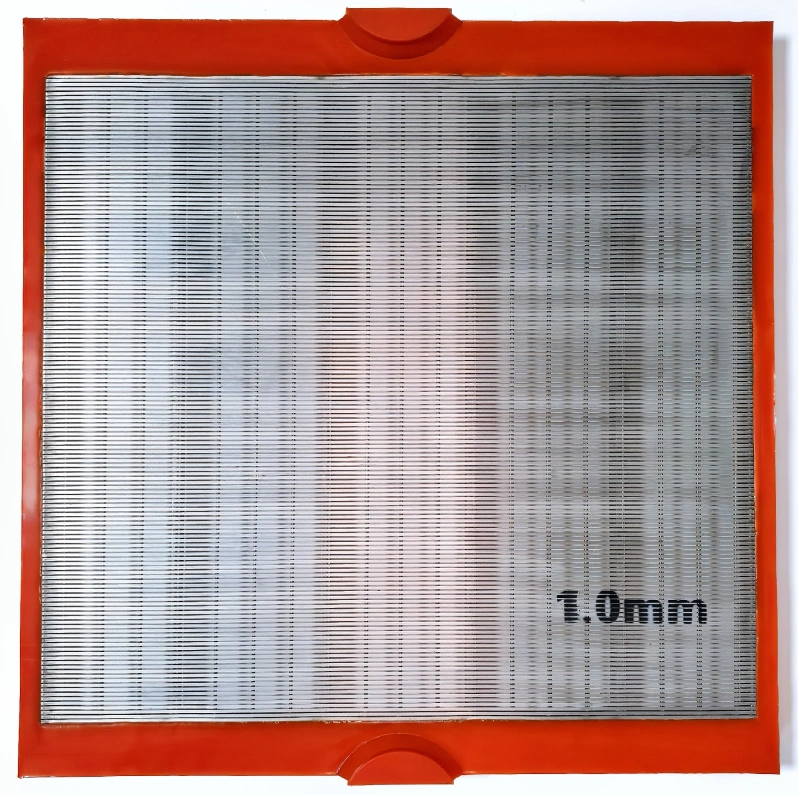
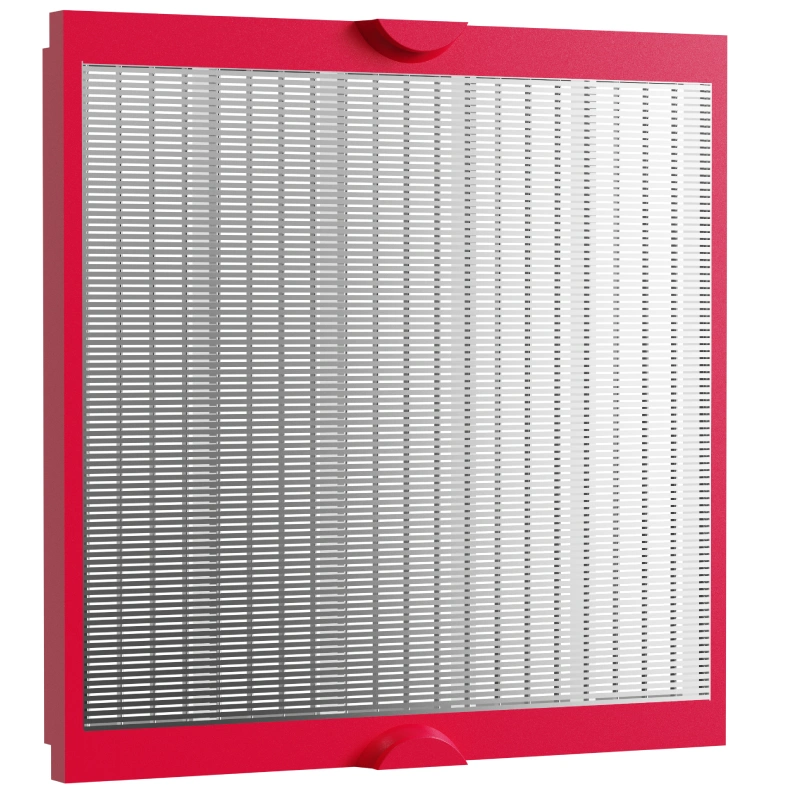
The Stainless Steel Composite Screen Plate bonds stainless steel mesh to a polyurethane frame, reducing vibration while ensuring high sieving accuracy. Ideal for coal slime and chemical slurry dewatering with excellent corrosion and wear resistance.

Product Detail

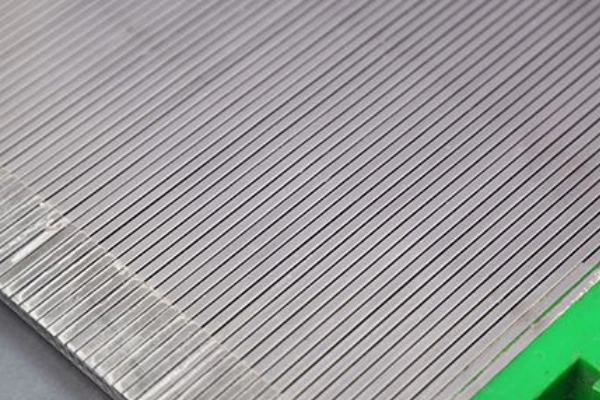
The Stainless Steel Composite Screen Plate features a unique “support-sieving” composite structure where stainless steel mesh is securely bonded to a durable polyurethane frame.

This design serves two critical functions: the stainless steel mesh provides precise sieving accuracy for fine particles, while the polyurethane frame minimizes mesh vibration and flutter during high-frequency operation.

The polyurethane frame also absorbs impact forces, reducing stress on the mesh and extending service life. This combination delivers high permeability rates while maintaining excellent corrosion resistance against aggressive chemicals and outstanding wear resistance against abrasive slurries.

The result is long-term screening stability even in the harshest dewatering environments.

Industry Applications

Coal Preparation Plants

Ideal for coal slime dewatering, efficiently separating fine coal particles from water with high throughput and excellent wear resistance.
Chemical Industry

Suitable for dewatering chemical slurries and corrosive suspensions, maintaining stable performance and sieving accuracy in aggressive environments.
Mining & Mineral Processing

Perfect for fine mineral slurry dewatering, combining high permeability with corrosion resistance for long-lasting operation in abrasive conditions.

FAQ

What is the advantage of bonding stainless steel mesh to a polyurethane frame?

The polyurethane frame serves two key purposes. First, it reduces mesh vibration and flutter during high-frequency screening, which improves sieving accuracy and reduces fatigue failure. Second, it absorbs impact forces and provides corrosion resistance, protecting the mesh edges from premature wear. This composite design delivers longer service life compared to all-metal screens.

Excellent. The stainless steel mesh resists chemical corrosion, while the polyurethane frame is inherently resistant to most acids, alkalis, and chemicals. This makes the composite screen plate particularly suitable for chemical slurry dewatering and coal slime applications where moisture and chemicals accelerate the degradation of standard metal screens.

No. The polyurethane frame is designed with maximum open area in mind. It only covers the perimeter and support areas, leaving the stainless steel mesh fully exposed for high permeability. The frame actually improves screening efficiency by reducing vibration, which allows more consistent material flow through the mesh.

Minimal. The stainless steel mesh requires periodic inspection for wear or damage. The polyurethane frame is virtually maintenance-free. Regular cleaning to remove built-up material is recommended, but the non-stick nature of polyurethane reduces material adhesion, making cleaning easier than with all-metal screens.

Choose the Stainless Steel Composite Screen Plate when you need high sieving accuracy with fine mesh openings (e.g., for dewatering fine coal slime or chemical powders). Choose standard polyurethane screens for larger particle sizing and classification where mesh precision is less critical. The composite plate offers the best of both materials: the precision of stainless steel mesh and the durability of a polyurethane frame.

Send a Message