
Scraper

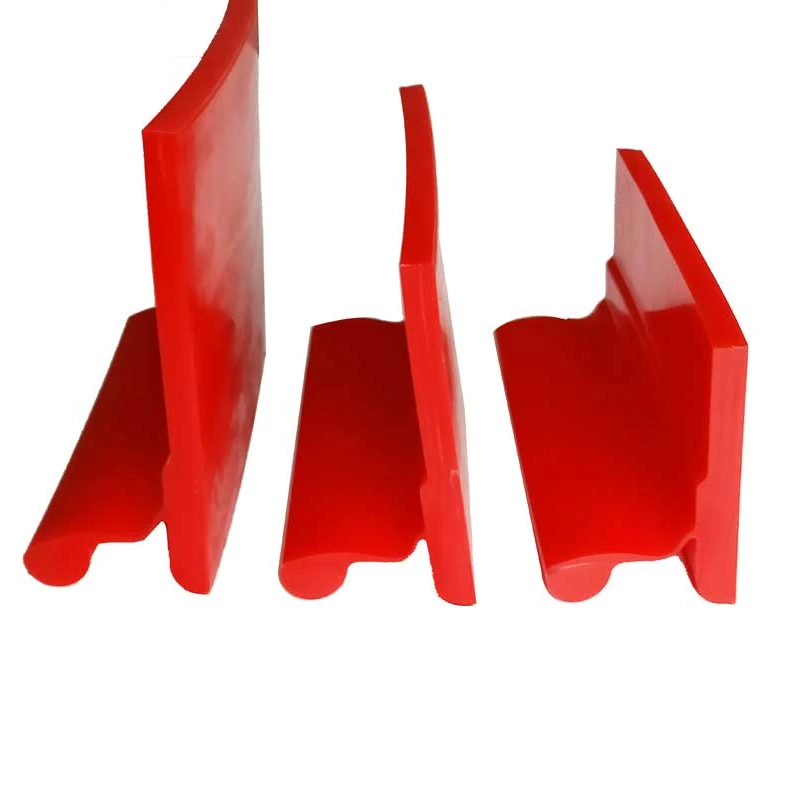
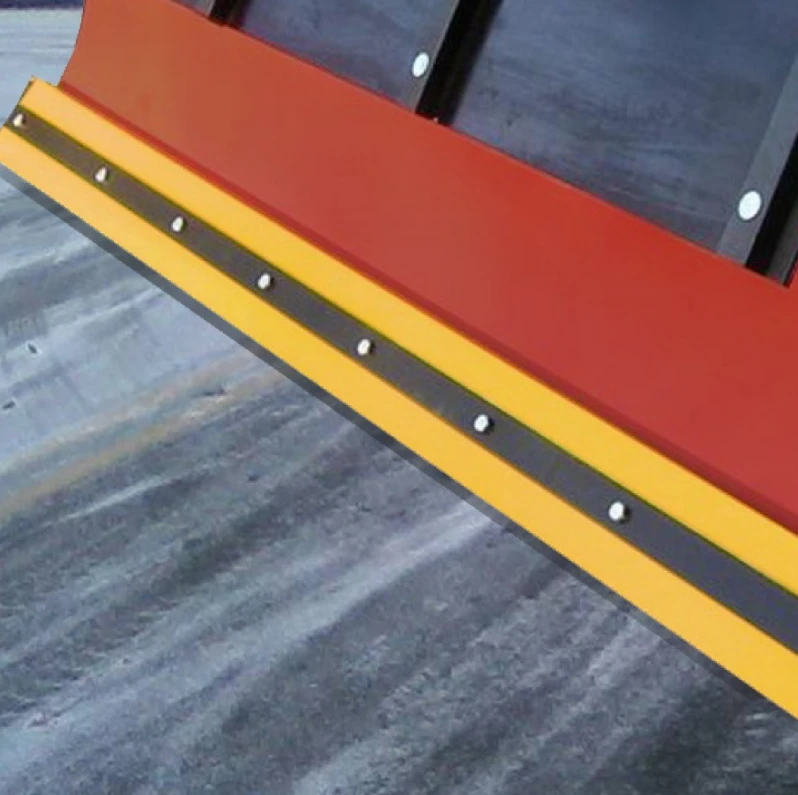
The scraper features a polyurethane blade head with aluminum alloy holder, connected via quick-release buckles. Achieves 99% wall fitment with ≤0.5% residual material. Lasts 4x longer than rubber scrapers without scratching equipment. Reduces changeover costs by 60%.

Product Detail

Superior Wall Fitment & Cleanliness: The blade head features an arc-shaped curved design. Testing confirms that the fitment with the inner wall of the equipment reaches 99%, with residual material after unloading ≤0.5%. This exceptional conformity ensures maximum material recovery and minimizes waste.

Extended Service Life: The polyurethane blade head is formulated for wear resistance while maintaining elasticity. This combination delivers a service life four times longer than ordinary rubber scrapers. Unlike metal blades that gouge or scratch equipment surfaces, the polyurethane material will not damage screen baskets, trough walls, or centrifuge components.

Quick-Change Design: The blade head and holder are connected via quick-release buckles, allowing tool-free blade replacement. This quick-release structure shortens replacement time and reduces maintenance costs by 60%, effectively improving equipment continuous operation efficiency.

Industry Applications

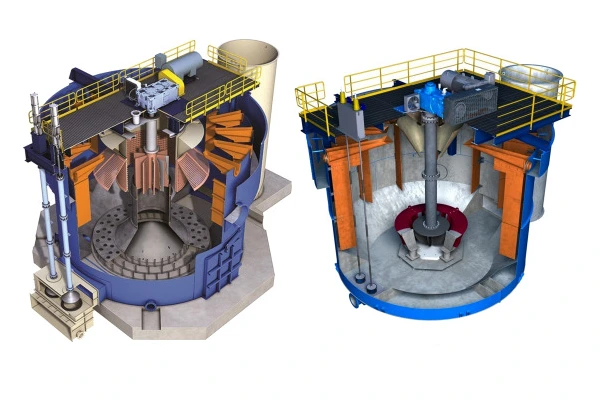
Centrifuge Filter Cake Unloading

Ideal for removing filter cake from centrifuge baskets in gold dewatering circuits. The 99% wall fitment ensures ≤0.5% residual gold values remain recoverable, while polyurethane blades won't scratch expensive screen baskets.
Flotation Cell Wall Pulp Cleaning

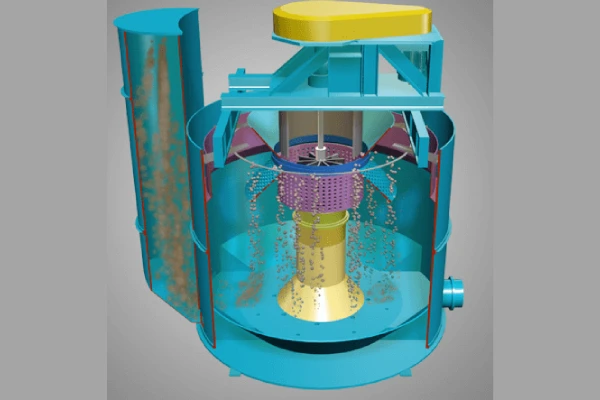
Perfect for cleaning residual coal slime from flotation cell walls. The 4x longer life than rubber reduces maintenance frequency in abrasive coal applications. Quick-release buckles enable rapid blade changes during scheduled downtime.
High-Wear Dewatering

Suitable for various dewatering equipment where abrasive slurries rapidly wear rubber blades. Polyurethane construction resists abrasion while maintaining flexibility for consistent wall contact.

FAQ

How does the polyurethane blade achieve 99% wall fitment?

The arc-shaped curved design is precision-engineered to match the specific radius of the equipment’s inner wall (centrifuge basket or flotation cell wall). The high-elasticity polyurethane then provides micro-conformity—the blade slightly compresses against the wall, filling any microscopic gaps. This two-level fitment (macro curvature + micro elasticity) achieves the 99% contact rate.

By comparison:

  • Metal blades: Rigid, cannot conform to surface irregularities (typically 70-80% contact)

  • Rubber blades: Softer but wear unevenly, losing fitment over time

  • PU blades: Maintain consistent fitment throughout service life due to low compression set

Residual refers to the amount of material left on the equipment wall after the scraper passes. For a centrifuge processing 100 tons/hour:

  • 0.5% residual = 500 kg/hour left behind

  • While this sounds significant, the industry standard for rubber scrapers is typically 2-5% residual

  • The 0.5% rating represents an 80-90% reduction in residual compared to standard scrapers

For high-value materials (gold ore, precious metals), this improved recovery directly impacts profitability. For coal or lower-value materials, the benefit is reduced waste handling and cleaner equipment.

No. Unlike metal blades that can gouge stainless steel centrifuge baskets or FRP flotation cell walls, polyurethane is softer than both materials. The hardness of polyurethane (85-95 Shore A, approximately 35-45 Rockwell R) is significantly lower than:

  • Stainless steel (80-90 Rockwell B)

  • Carbon steel (70-85 Rockwell B)

  • FRP/ fiberglass (hard but brittle)

The blade will wear preferentially, protecting the more expensive equipment surface. Field inspections of centrifuge baskets using PU scrapers for 12+ months show no measurable scratching or grooving.

Yes. The quick-release design allows blade head replacement while the aluminum alloy holder remains mounted to the equipment. This is a key advantage over one-piece scrapers where the entire assembly must be removed and realigned. Benefits include:

  • No re-alignment required after blade change

  • Lower spare parts inventory (blade heads only, not complete assemblies)

  • Faster changeovers (2-5 minutes vs. 15-20 minutes)

Replacement interval: For typical coal or gold dewatering applications, blade heads are replaced every 3-6 months while holders last 2-3 years.

Yes. The scraper can be retrofitted to most centrifuge and flotation machine brands, including:

  • Centrifuges: Vertical and horizontal basket types, screen bowl centrifuges

  • Flotation machines: Wemco, Denver, Outotec, FLSmidth, XCF, KYF, JJF series

  • Other equipment: Thickeners, filters, other dewatering devices

Retrofit requires:

  1. Verification of existing scraper arm mounting dimensions

  2. Matching the aluminum holder to your equipment’s mount pattern

  3. Confirming wall radius for blade head curvature

Provide photos and dimensions of your existing scraper for a retrofit compatibility assessment.

Send a Message